
What Certifications Should a Plastic Model Kits Manufacturer Have for Export?
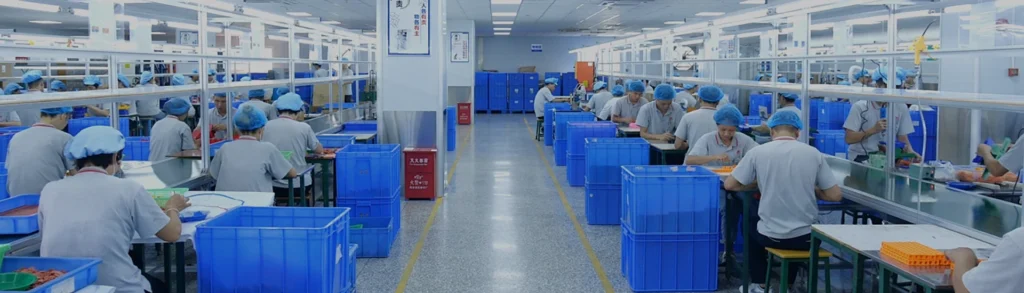
Which certifications should a model kits manufacturer have? A guide to ASTM F963, CPSIA, EN71, ISO, RoHS, and REACH for export buyers.
Top Model Kit Factories for Automotive & Vehicle Brands
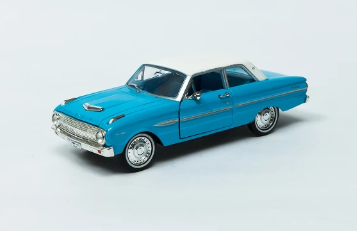
Sourcing automotive model kit factories? Check these 10 capabilities to find a partner that delivers detail and on-time volume.
OEM Model Kits Manufacturer vs Trading Company: Which Should You Choose?
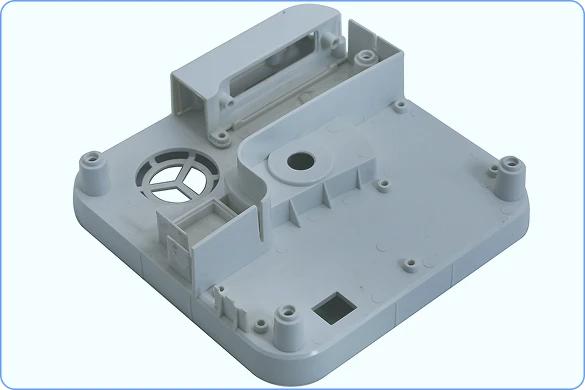
Factory or trading company for your model kits? Compare control, cost, lead time, and IP risk to pick the right sourcing model.
How to Choose the Right Model Kits Manufacturer for Your Brand
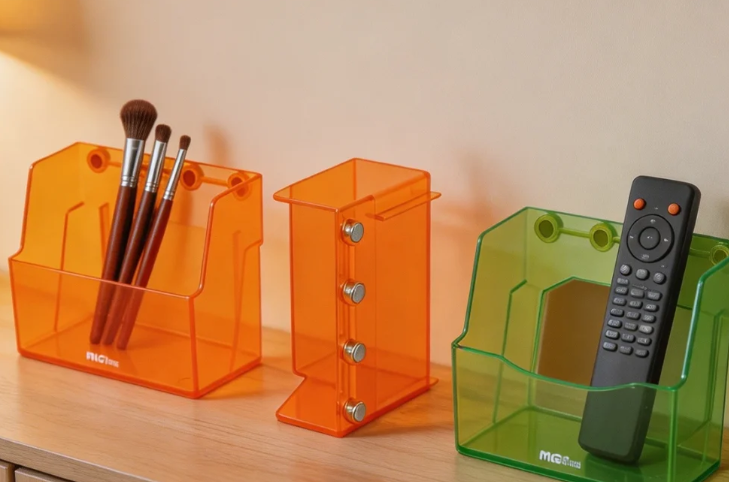
A practical checklist for choosing a model kits manufacturer: in-house tooling, materials, quality systems, IP protection, and cost transparency.
Plastic Model Kits vs Resin Model Kits: Which Is Better for Production?
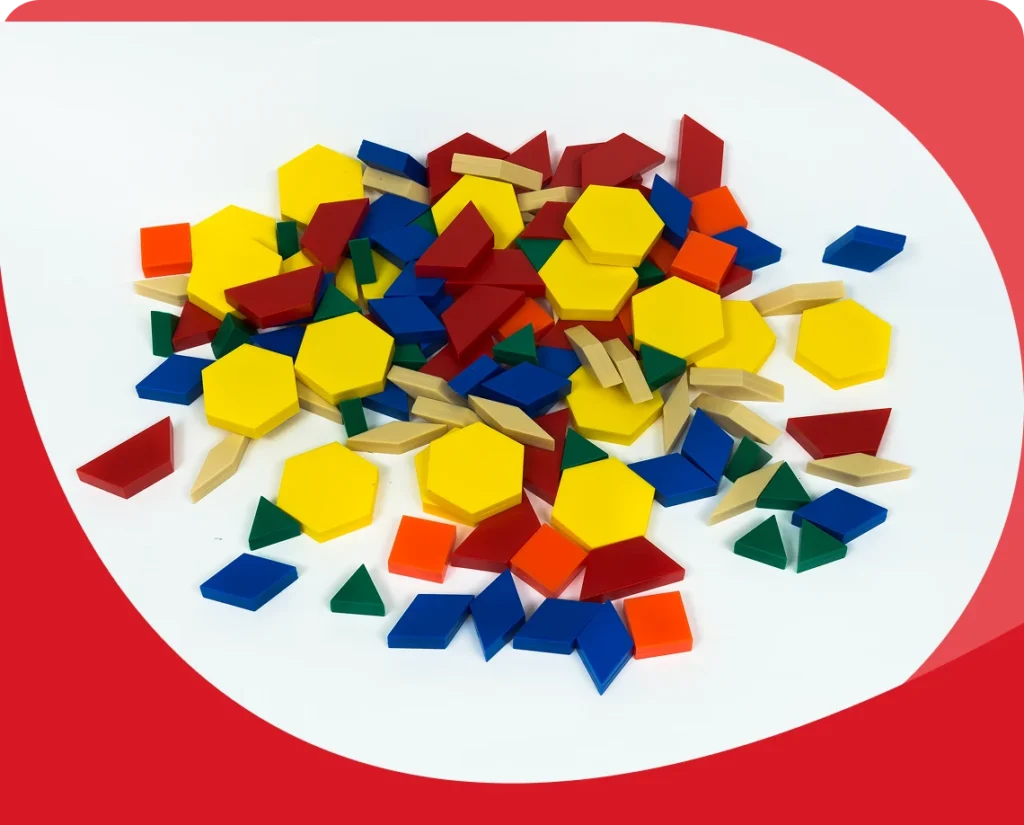
Plastic injection wins at volume and consistency; resin wins at detail and short runs. Compare cost, detail, lead time, and tooling to choose the right process.
Top 10 Custom Scale Model Manufacturers for Collectible Brands
Looking for custom scale model manufacturers? Use these 10 traits to shortlist factories that deliver quality and protect your brand.
What Makes a Collectible Model “Premium” in the Eyes of Buyers?
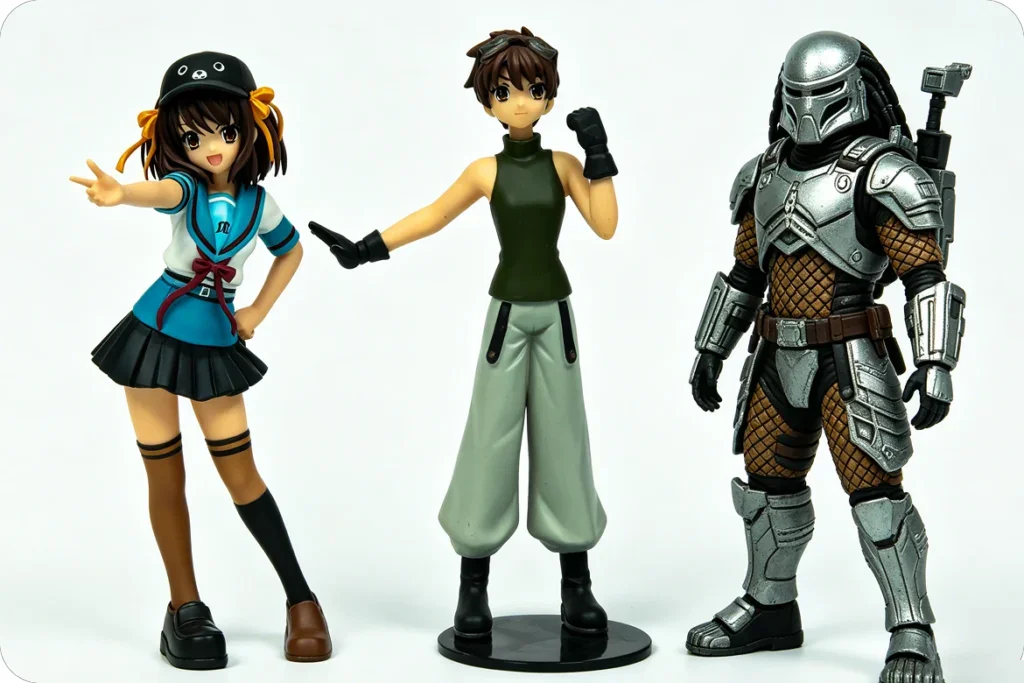
A premium collectible model pairs craft, consistency, and a sense of authenticity buyers trust. Learn the traits that make collectors pay more.
Miniature Figurines vs Scale Models: Which Category Fits Your Brand?
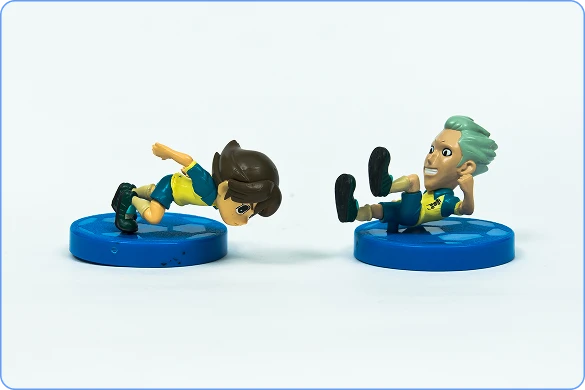
Miniature figurines and scale models serve different buyers. Compare format, build, and market fit to pick the right category.
Custom Model Kits Manufacturer: Scale & Collectible
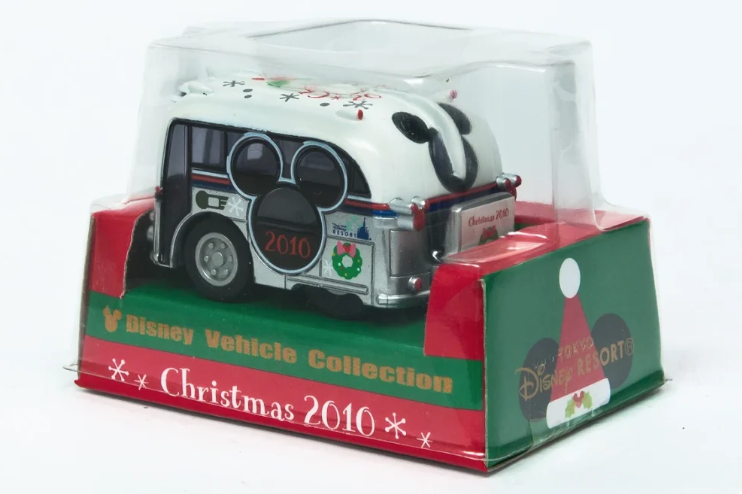
Choose a custom model kits manufacturer for scale models & collectibles: process, materials, tolerances, compliance, OEM vs trader.