Custom plastic manufacturing is the process of turning a product idea into a finished, market-ready plastic part or product. A one-stop OEM/ODM partner handles every stage in-house — design, prototyping, tooling, injection molding, surface finishing, assembly, and global delivery — so a brand works with one supplier instead of many.
This guide explains how one-stop custom plastic manufacturing works, why an integrated factory beats a broker, and what to check before you start. It is written for toy, collectible, education, and industrial buyers who want a clear, decision-ready view of the process.
- What is one-stop custom plastic manufacturing?
- The custom plastic manufacturing process
- Why an integrated partner beats a broker
- Materials, tolerances & capabilities
- Quality, compliance & IP protection
- Who we serve
- How to start your project
- Frequently asked questions
- Request a quote
1. What Is One-Stop Custom Plastic Manufacturing?
One-stop custom plastic manufacturing means a single factory manages your whole production journey — from the first sketch to the packed, shippable carton. Instead of hiring a design studio, a mold shop, a molder, a painter, and a packager separately, you brief one partner who owns the entire pipeline.
ChilBo has run this model for more than 20 years, serving toy, figurine, education, and industrial brands across 50+ countries. You can see the full scope of our custom manufacturing services before reading the step-by-step process below.
2. The Custom Plastic Manufacturing Process
A typical project moves through five core stages. Each stage feeds the next, and decisions made early (in design) decide most of your final cost and quality.
2.1 Design & Prototyping
We start with your concept, reference samples, or drawings. Design for Manufacturing (DFM) review checks wall thickness, draft angles, and snap-fit geometry so the part can actually be molded at scale. A 3D prototype confirms look and feel before any steel is cut.
2.2 In-House Tooling & Mold Making
Molds are built in-house, which shortens lead time and keeps tolerance control in our own hands. Parameterized injection tooling can hold tight tolerances down to ±0.02 mm, the level needed for multi-part model kits and precise interlocks.
2.3 Injection Molding
Plastic resin (ABS, PP, PC, or PVC) is melted and injected into the mold under controlled pressure and temperature. Machine setup, gate design, and cooling time decide surface quality and dimensional stability across the run.
2.4 Surface Treatment & Finishing

Parts are painted, pad-printed, plated, or hot-stamped to reach the target look. Surface finishing is where brand identity lives, so color matching and decoration are validated against an approved sample.
2.5 Assembly, Quality Control & Packaging
Components are assembled on the line, inspected against dimensional and functional checks, then packed to your spec — individual, multi-unit, or bulk. Only parts that pass QC ship.
For a complete stage-by-stage breakdown, read our plastic toy manufacturing process guide.
3. Why an Integrated One-Stop OEM/ODM Partner Beats a Broker
A broker connects you to scattered shops and adds a margin for passing messages. An integrated factory owns the line, so communication, quality, and timing stay under one roof. That means fewer handoffs, fewer surprises, and one accountable partner.
Our one-stop OEM/ODM toy manufacturing solution covers design, tooling, molding, finishing, assembly, and shipping — so your project does not stall between vendors.
4. Materials, Tolerances & Capabilities
Material choice drives cost, safety, and durability. ABS gives rigid, paintable surfaces; PP is tough and chemical-resistant; PC is clear and impact-strong; PVC is cost-effective for figures at volume. We help you pick based on the product, market, and compliance needs.
For collectible and designer products, the most common question is PVC vs resin: PVC is cost-effective at volume and easy to paint, while resin gives finer detail for premium, low-run collectibles. If you are deciding what your figures are made of, our comparison of PVC vs resin figurines breaks down which material fits your product line.
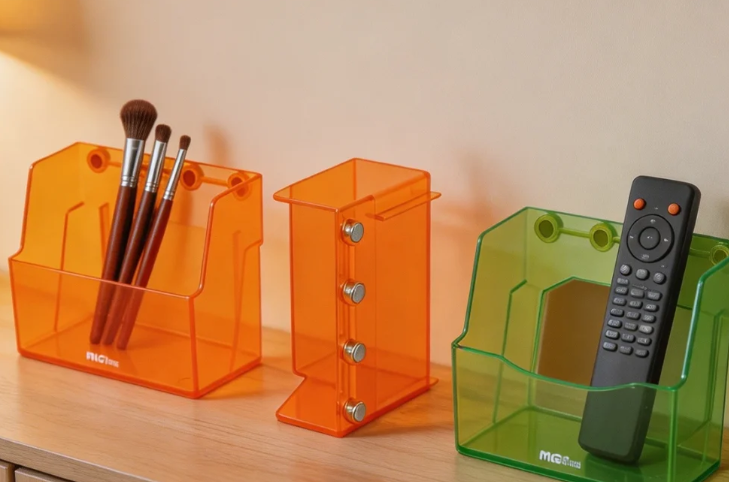
Lean manufacturing and in-house tooling let us hold tight tolerances and repeat them batch after batch. See the full list of ChilBo manufacturing capabilities for materials, processes, and quality systems.
5. Quality, Compliance & IP Protection
For toy and education products, compliance is non-negotiable. We work to ISO quality systems and support toy safety standards such as ASTM F963, CPSIA, and EN71, plus chemical rules like RoHS and REACH. Specific certificate numbers are confirmed per project.
Work with a certified toy manufacturer that can document its quality system and show valid test reports for your target markets. Certification is not just a badge — it is what lets your product clear customs and reach shelves.
IP is protected through NDAs and clear mold-ownership terms. Learn how we manage testing, audits, and accountability in our OEM quality process.
6. Who We Serve
Our one-stop model fits brands and buyers across several product categories. Each group has its own buying guide:
- Figurine & Designer Toy Brands
- Educational & Learning Toy Brands
- Model & Collectible Brands
- Precision Plastic Parts Buyers
- Distributors & Retailers
7. How to Start Your Custom Plastic Project
Starting is simple: share your concept, target volume, and market, and we return a DFM review, tooling plan, and quote. Most projects begin with a prototype and a pilot run before full production. Before you shortlist suppliers, read our plastic toy manufacturer buyer’s checklist, then contact our team to open a project brief.
8. Frequently Asked Questions
8.1 What is the typical MOQ for custom plastic manufacturing?
Minimum order quantity depends on tooling, material, and packaging. Simple molded parts can start at a few thousand units, while detailed multi-cavity programs need higher volumes to spread tooling cost. We offer pilot runs for new brands and scale up as demand grows.
8.2 How long does tooling and first production take?
A typical path runs from DFM review and prototyping into mold making, then first-article approval and mass production. In-house tooling shortens the mold stage; exact timelines are set after we see your design and volume.
8.3 Which plastic material should I choose?
It depends on the product. ABS suits rigid, paintable figurines; PVC is cost-effective for high-volume figures; PP resists impact and chemicals; PC gives clarity and strength. We recommend a material during the DFM stage based on look, use, and market rules.
8.4 How are my IP and molds protected?
We sign NDAs before sharing details and define mold ownership in the contract. Your tooling is not reused for other clients, and production data stays confidential through the partnership.
8.5 How much does custom plastic manufacturing cost?
Cost is driven by tooling, material, decoration, and volume. A simple molded part costs far less per unit at high volume, while detailed multi-cavity or highly decorated items need more tooling and finishing. For a deeper look at cost drivers, see our guide on what makes custom toys expensive to produce. We return a transparent total-cost quote after reviewing your design.
9. Request a Quote for Your Custom Plastic Product
Ready to move from idea to market-ready product? ChilBo is your one-stop OEM/ODM partner for custom toys, figurines, educational sets, model kits, and precision plastic parts. Request a quote and our engineering team will review your project.