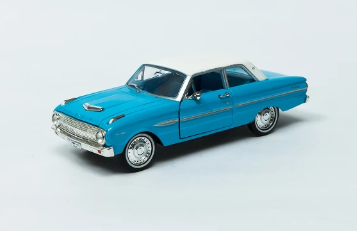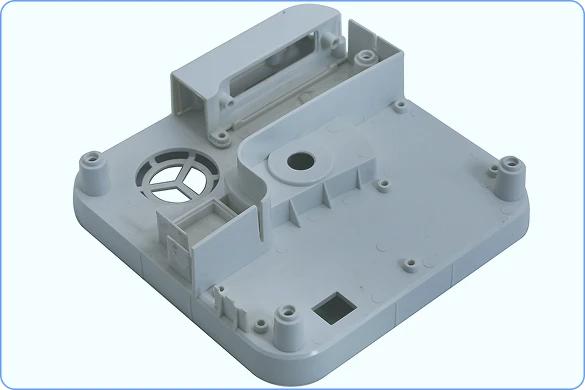
A premium collectible model is one buyers gladly pay more for because it combines craft, consistency, and a sense of authenticity they trust. Premium is more than tight tolerances — though those still matter — it also covers finish, packaging, provenance, and the feeling that the object was made with care. This guide explains the traits collectors and brands read as “premium,” and how a manufacturer can deliver them at scale.
Table of Contents
- Quick Answer: What Makes a Model Premium?
- Craft and Surface Detail
- Material, Weight, and Feel
- Finish, Color, and Print
- Packaging and Presentation
- Provenance, Licensing, and Edition
- Consistency Across the Run
- Brand, Story, and Community
- Premium vs High-Quality: What Is the Difference?
- How ChilBo Supports Premium Programs
1. Quick Answer: What Makes a Model Premium?
A premium collectible model earns its price through five traits working together: refined surface detail, materials that feel right in the hand, flawless finish and print, presentation that signals value, and provenance buyers can trust (licensing, edition, and maker reputation). Quality is the floor; premium is what sits on top of it. For the production-side traits that quality depends on, see our guide on what makes a high-quality scale model.
The fastest way to sense premium is to open the box and handle the piece. Premium reads immediately through weight, fit, and finish — and it survives close inspection, not just a hero photo.
2. Craft and Surface Detail
Premium models carry fine, intentional detail: crisp panel lines, legible small marks, and textures that read correctly up close. The detail is not just present — it is placed with purpose, matching the real subject the model represents. Cheap detail looks busy or soft; premium detail looks considered.
Detail also has to be repeatable. A premium program holds the same crispness on the first unit and the ten-thousandth because every shot comes from the same steel cavity. Hand-finished or cast parts tend to drift between units, which is the enemy of a consistent premium line.
3. Material, Weight, and Feel
How a model feels is part of the premium signal. The right material mix gives structural parts strength and detail, and gives soft or flexible parts the right give. The table below maps common choices to the role they play.
| Material | Feel / Role | Used For |
|---|---|---|
| ABS | Rigid, stable, fine detail | Bodies, structural kit parts |
| PC (Polycarbonate) | Dense, impact-resistant, can be clear | Windows, lenses, rugged parts |
| PVC | Softer, lower cost, easy to mold | Figurine bodies, soft-touch parts |
| Zinc / metal inserts | Added weight and heft | Bases, frames, premium accents |
Weight is a subtle but real premium cue. A model that feels substantial reads as better made. Metal inserts or a weighted base are common ways brands add that heft without compromising the plastic detail.
4. Finish, Color, and Print
Finish is where premium is won or lost. Calibrated color references (Pantone or RAL), consistent paint batches, and registered pad or tampo printing keep marks sharp and aligned on every unit. Premium finishes also use layered effects — a clear coat for depth, a matte section next to a gloss — that read as care rather than a single flat spray.
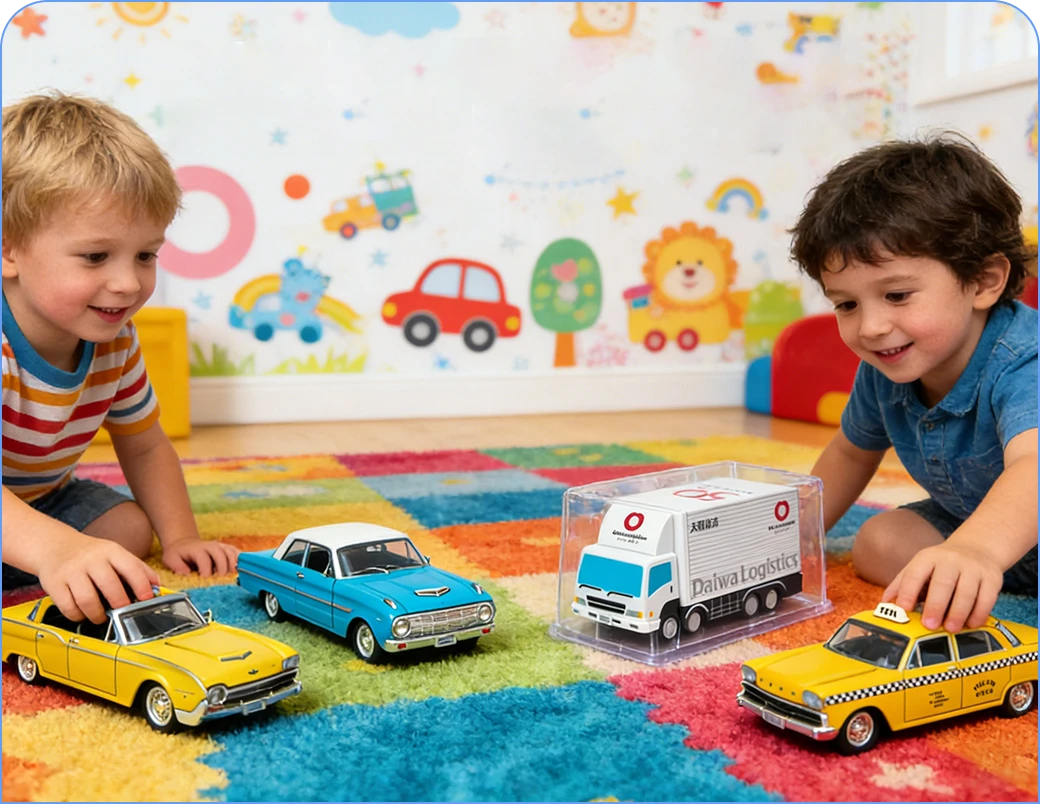
Poor finish — color drift between batches, smudged print, orange-peel texture — is the single most common reason a model that looked premium in a render feels cheap in the hand.
5. Packaging and Presentation
Premium continues at the box. A well-designed window box, protective insert, and printed literature (story card, certificate, numbered tag) signal value before the model is even touched. Packaging also protects the finish in transit, which matters because a scuffed premium model is a returned premium model.
For collectors, the unboxing is part of the product. Brands that treat packaging as design — not just protection — consistently command higher prices and stronger repeat demand.
6. Provenance, Licensing, and Edition
Buyers pay for trust. Licensed properties, numbered limited editions, and a maker with a track record all raise perceived value. Licensing in particular requires the right rights and documentation — our guide on producing licensed collectible figures covers how to set that up correctly so the program stays compliant.
Edition size is a pricing lever: a smaller, numbered run feels more exclusive and supports a higher price. The manufacturer’s job is to make every unit in that run indistinguishable from the hero sample.
7. Consistency Across the Run
Consistency is the trait that separates a premium line from a premium prototype. A buyer who opens two boxes — or two thousand — expects both to look identical. That consistency comes from controlled tooling, in-line inspection, and per-batch records, not from hoping each unit turns out the same.
When consistency fails, the brand pays: returns rise, reviews drop, and the premium positioning erodes. Protecting the run is protecting the price.
8. Brand, Story, and Community
Premium is partly emotional. A clear brand story, a point of view, and an engaged community turn a well-made object into something people collect on purpose. Many buyers start their search on shortlists such as our top custom scale model manufacturers guide, then choose the maker whose story and proof of quality fit their brand.
The manufacturer supports this by supplying the proof: sample photos, tolerance data, material specs, and case results the brand can use in its own storytelling.
9. Premium vs High-Quality: What Is the Difference?
The two overlap but are not the same. High-quality means the model meets strong technical and visual standards — dimensions, detail, color, fit. Premium means those standards are wrapped in presentation, provenance, and brand value that justify a higher price. The table below shows where each lives.
| Dimension | High-Quality | Premium |
|---|---|---|
| Focus | Meets spec, fits, looks right | Commands a higher price |
| Proof | Tolerance, QC records | Licensing, edition, story |
| Extras | Clean production | Packaging, certificates, heft |
| Risk if missed | Returns, bad reviews | Lost price premium, weak brand |
10. How ChilBo Supports Premium Programs
ChilBo is a one-stop OEM/ODM custom plastic manufacturer with 20+ years of experience and in-house mold design and tooling. For premium programs we run design for manufacturability, prototype in about 5–10 days, validate fit and color on a physical sample, then produce with in-line inspection and per-batch records so every unit matches the hero. Because tooling stays in-house, revisions are absorbed without re-quoting or changing vendors.
We also support the extras premium programs need — careful packaging, numbered or limited runs, and the documentation that backs licensing and provenance — so the object and its story both hold up.
Frequently Asked Questions
What makes a model collectible rather than just a toy?
Collectibility comes from scarcity, licensing or edition, brand story, and finish that justifies display and repeat buying. A toy is bought to play; a collectible is bought to own, display, and sometimes resell.
How important is licensing for premium collectibles?
Very, when the property is licensed. Proper rights and documentation protect the brand and the buyer, and licensed programs usually support a higher price. Set the rights up early and keep the paperwork with the production records.
Why do premium models cost more to produce?
Premium adds cost through better materials, layered finishes, tighter inspection, and presentation (packaging, certificates, inserts). The spend is deliberate — it is what supports the higher retail price and protects the brand.
How do I protect my IP in a premium run?
Use a signed NDA and a clear mold-ownership agreement, keep tooling with a trusted partner, and limit sample and file distribution. ChilBo handles prototyping and production under one roof, which reduces handoffs where leaks most often happen.
Can ChilBo run small premium batches?
Yes. Premium programs often start with limited numbered runs. ChilBo can prototype in about 5–10 days and scale to volume on the same tooling, keeping consistency from the first unit to the last.
Request a Quote
If you are planning a premium collectible line, share your design, target materials, edition size, and markets with our team. ChilBo will propose the right process, prototype in about 5–10 days, and run production with in-line inspection and the packaging and documentation premium programs need. Contact our team with your project details and we will follow up with a recommendation and a quote.