Miniature figurines and scale models are both custom plastic collectibles, but they serve different buyers and need different production choices. A miniature figurine is usually a character or creature built around a sculpt and pose; a scale model is a proportional replica of a real object — a car, plane, or building — built around accuracy. This guide compares the two so you can pick the category that fits your brand, audience, and production plan.
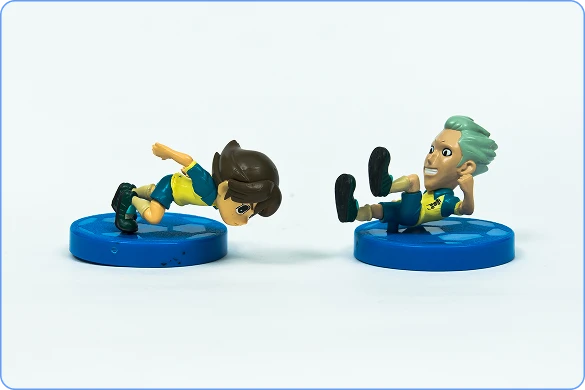
Table of Contents
- Quick Answer: Which One Fits Your Brand?
- What Is a Miniature Figurine?
- What Is a Scale Model?
- Build Format: Pose vs Proportion
- Production and Tooling Differences
- Buyer and Audience Differences
- Side-by-Side Comparison
- How to Choose for Your Brand
- Material and Process Fit
- How ChilBo Handles Both Categories
1. Quick Answer: Which One Fits Your Brand?
Choose miniature figurines if your brand is character-, IP-, or story-driven and buyers care about sculpt and pose. Choose scale models if your brand is about realism, accuracy, and a known subject (cars, vehicles, architecture) where proportion matters. The two also use different tooling logic — see our plastic vs resin model kits comparison for the process side that affects both.
If you are unsure, match the category to where your customers already spend: fandom and collectible-character buyers lean figurine; hobby, automotive, and heritage buyers lean scale model.
2. What Is a Miniature Figurine?
A miniature figurine is a small sculpted representation of a character, creature, or mascot. The value sits in the sculpt, the pose, and the paint that brings the personality out. Figurines may be a fixed pose or a stylized form; accuracy to a real object is not the point — expression is.
Figurine programs often tie to IP or a brand mascot, which makes licensing and character fidelity central to the brief.
3. What Is a Scale Model?
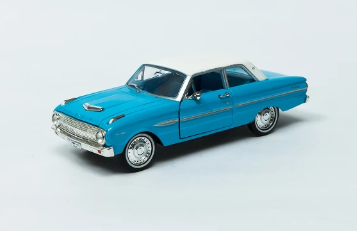
A scale model is a proportional replica of a real subject at a fixed ratio, such as 1:24 for cars. The value sits in accuracy: dimensions, panel lines, and details that match the real thing. Buyers compare the model to the subject and to other models, so consistency and fidelity drive perceived quality.
Scale models span kit formats (assembled by the buyer) and pre-built display pieces. Both reward tight tolerances and repeatable detail.
4. Build Format: Pose vs Proportion
The clearest split is what the buyer engages with. A figurine is appreciated as a complete object — you look at the sculpt and finish. A scale model is appreciated as a correct representation — you check the proportions and the details against the real subject. That difference shapes everything downstream, from sculpt approval to QC checks.
For kit formats, scale models usually emphasize fit and assembly accuracy, while figurine kits emphasize clean part separation for painting and pose.
5. Production and Tooling Differences
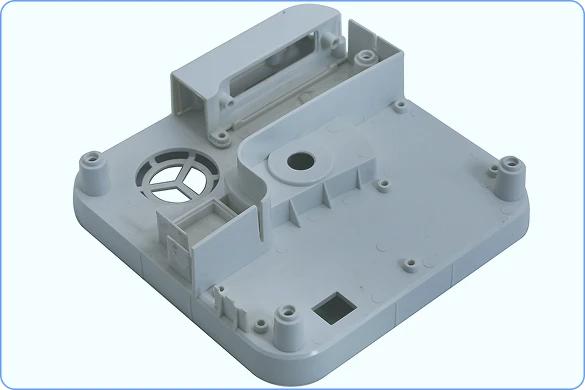
Both use injection tooling for volume, but the tooling priorities differ. Figurines need molds that capture organic sculpt and fine surface texture; scale models need molds that hold exact proportions and crisp technical detail. Multi-cavity and family molds are common to both when a line has several characters or variants.
Surface finishing also differs: figurines lean on hand-feel paint and character accuracy, while scale models lean on precise, registered markings and accurate color matching.
6. Buyer and Audience Differences
Figurine buyers are often fans of a character, game, or brand and buy for emotional connection. Scale-model buyers are often hobbyists, automotive enthusiasts, or heritage brands who buy for accuracy and display. Knowing your buyer decides not just the product but the packaging, the story, and the channel.
This is also why supplier screening matters differently — our 10 questions to ask a collectible figure supplier covers the figurine side in depth.
7. Side-by-Side Comparison
The table below sums up the decision across the dimensions that matter most.
| Dimension | Miniature Figurine | Scale Model |
|---|---|---|
| Core value | Sculpt, pose, character | Accuracy, proportion, detail |
| Typical buyer | Fans, IP collectors | Hobbyists, automotive, heritage |
| Tooling focus | Organic shape, texture | Exact ratio, technical detail |
| Finish focus | Character paint, expression | Registered marks, color match |
| Common format | Fixed pose or kit | Kit or pre-built display |
8. How to Choose for Your Brand
Start from your brand’s core: if you own or license a character, figurines are the natural fit; if you sell realism around a real product (cars, machines, buildings), scale models fit better. Then check production scale and channel — figurines suit gift and fandom retail; scale models suit specialty and enthusiast channels. When in doubt, the category your customers already collect is the safer first move.
Many brands run both as separate lines, which is viable if the manufacturing partner handles both tooling types without quality loss.
9. Material and Process Fit
Both categories run on ABS, PVC, PC, and PP, with material choice driven by the part’s job. Figurines often use PVC or ABS for bodies and soft-touch feel; scale models use ABS and PC for structural and detail-critical parts. The table below maps material to role.
| Material | Figurine Use | Scale Model Use |
|---|---|---|
| ABS | Bodies, stable parts | Structural kit parts, detail |
| PVC | Soft-touch, flexible bodies | Soft components, trim |
| PC | Clear accents | Windows, lenses, rugged parts |
| PP | Hinges, joints | Living hinges, flexible parts |
10. How ChilBo Handles Both Categories
ChilBo is a one-stop OEM/ODM custom plastic manufacturer with 20+ years of experience and in-house mold design and tooling. We produce both miniature figurines and scale models on the same floor, with design for manufacturability, prototyping in about 5–10 days, and in-line inspection that holds consistency across the run. Automotive and vehicle lines in particular benefit from our automotive model kit factory capabilities guide when proportion and detail are critical.
Because tooling stays in-house, a brand can run a figurine line and a scale-model line without splitting vendors, which keeps quality and communication in one place.
Frequently Asked Questions
Can one factory make both figurines and scale models?
Yes, if it has in-house tooling for both organic sculpt and precise proportional work. ChilBo runs both on one floor, which avoids the quality and handoff risk of splitting vendors.
Which category is easier to start with?
The easier start is the one your customers already collect. Fandom and character brands suit figurines; automotive and heritage brands suit scale models. Matching the existing audience reduces launch risk.
Do figurines and scale models need the same certifications?
If either is a toy or sold to children, expect ASTM F963, CPSIA, and EN71 by market. For general collectibles, RoHS and REACH chemical reporting are common. Confirm the exact mix with your supplier before production.
Which holds value better for collectors?
Both can hold value, but for different reasons — figurines through IP, edition, and character appeal; scale models through accuracy, brand heritage, and detail. Premium presentation and consistency protect value in both.
How fast can ChilBo prototype a new category?
Typical prototyping turnaround is about 5–10 days, covering both figurine sculpt validation and scale-model proportion checks, before a production run begins.
Request a Quote
If you are deciding between miniature figurines and scale models — or want to run both — share your brand, target audience, expected volume, and market with our team. ChilBo will propose the right format and process, prototype in about 5–10 days, and produce with in-line inspection and per-batch records. Contact our team with your project details and we will follow up with a recommendation and a quote.