The questions to ask precision plastic parts supplier buyers should settle before ordering decide whether your launch slips six weeks or ships on time. A European buyer once lost that long because their molder lacked an in-house CMM, waiting days per T1/T2 loop to verify a ±0.02mm bore. Below are the ten questions that separate real manufacturing partners from brokers—plus how to read the answers and how to verify a shop before you commit a dollar. Pair this with our complete buyer’s guide to sourcing precision plastic parts.
Table of Contents
- The 10 Questions That Separate Partners from Brokers
- How to Read the Answers
- Red Flags to Watch
- Verify Before You Commit
- Request a DFM Review
1. The 10 Questions That Separate Partners from Brokers
1.1 Have you made parts like mine—same resin, tolerance, and volume?
“Similar” beats “biggest factory.” A shop that runs glass-filled PEEK or two-shot seals daily will flag risks a toy molder never sees. Ask for references from your industry and, if possible, a sample from a comparable tool—surface finish and gate quality tell you more than a brochure.
1.2 What does your DFM review cover, and is it in writing?
A real DFM flags draft angles, wall thickness, ribs, bosses, undercuts, shrinkage, and warpage before steel is cut. Ask for the comments in writing; it makes later T1 discussions far easier and prevents costly redesigns. A serious shop does this within 24–48 hours of receiving your files.
1.3 Where is the mold built, and who runs production?
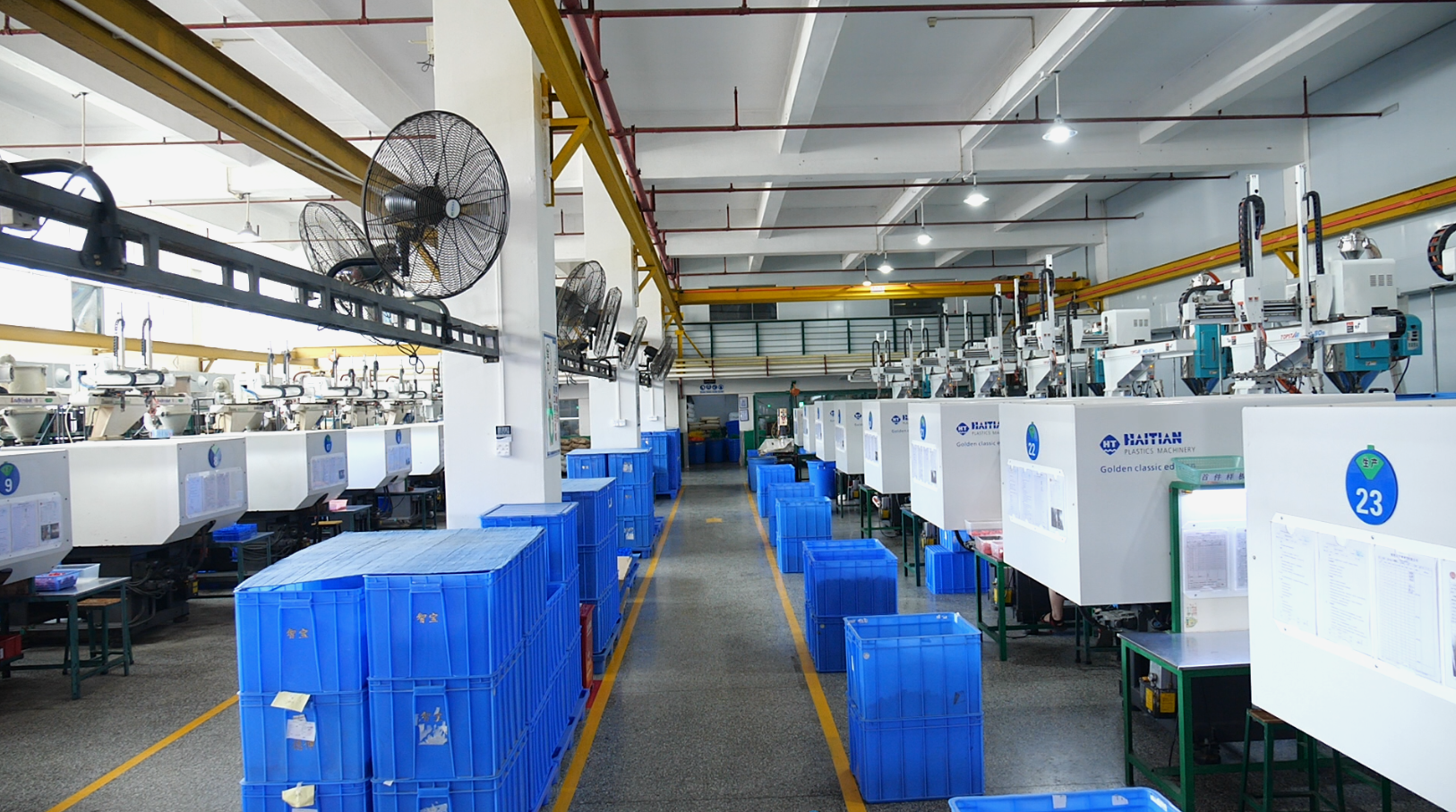
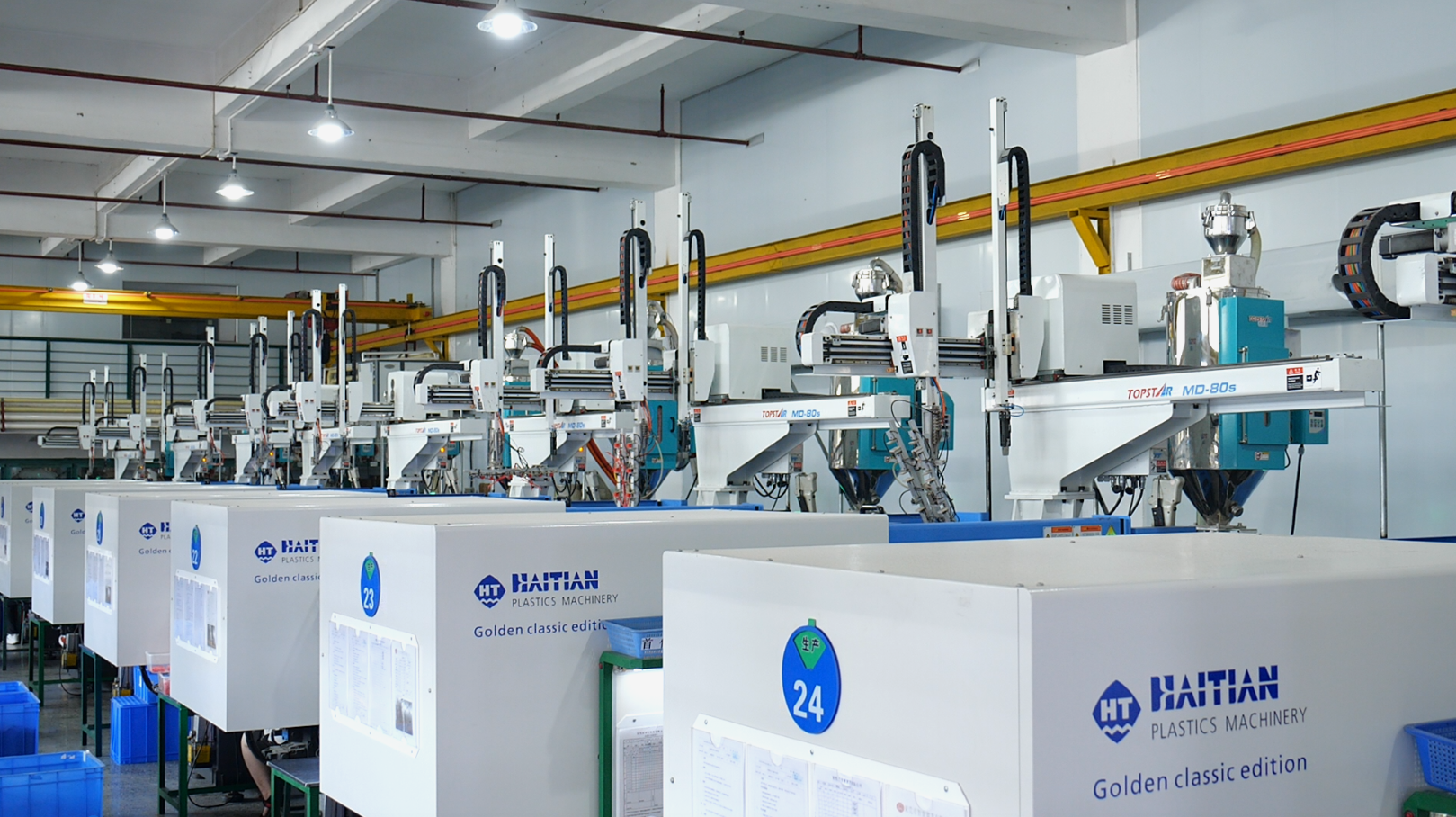
In-house tooling means T1 fixes take days, not the weeks a subcontractor adds. Outsourcing isn’t automatically fatal if the molder keeps engineering control and accountability—but get it stated, and ask to see the toolroom, not just the molding floor.
1.4 What tolerances can you actually hold—and which features are critical?
General dimensions at ±0.1mm are routine; critical fits at ±0.02–0.05mm need real machining and measurement. Beware any shop promising ±0.01mm “everywhere” without asking which features matter. Send your drawing and have them mark up the tight-tolerance callouts. Regulated parts—automotive, medical—also need the right certs; see our certifications checklist.
1.5 What metrology actually verifies tight tolerances?
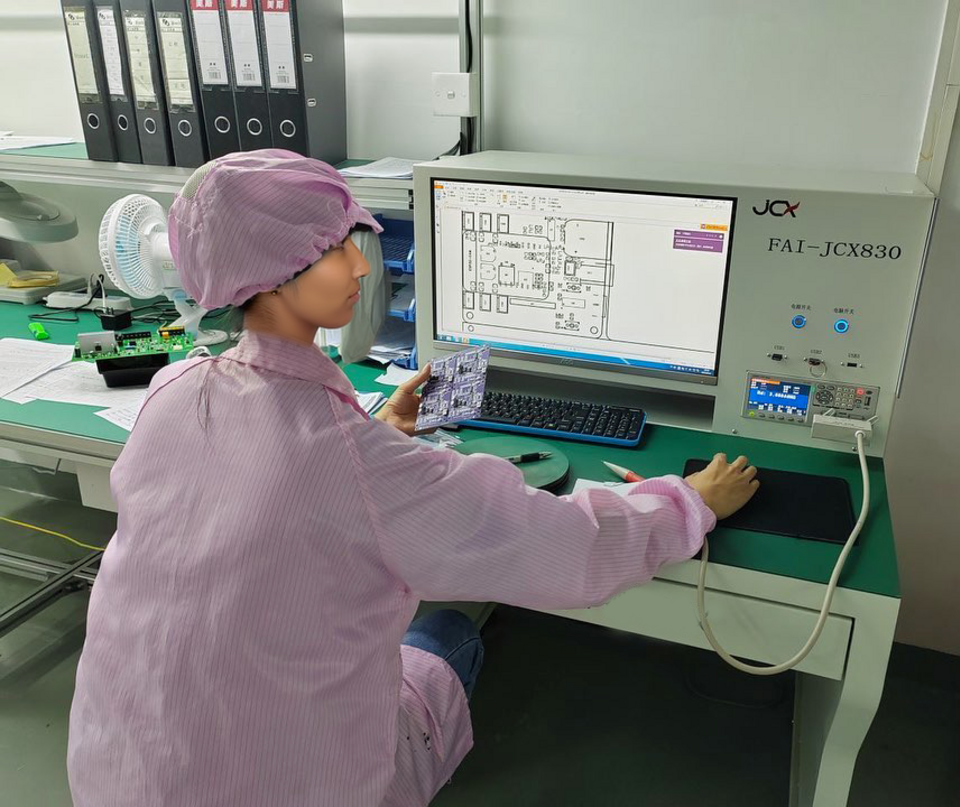
Calipers can’t read a ±0.01mm concentricity or GD&T profile. Look for programmable CMMs, optical systems, and Cpk tracking on critical-to-quality dimensions—ideally a 30-piece capability study at validation, then in-process checks. Shops that run this in-house will show you the capability report rather than claim a number. More on our measurement and molding capabilities.
1.6 How do you control resin: grade, drying, color, and regrind?
For moisture-sensitive or reinforced resins, ask how material is dried, stored, and traced. Require the resin maker’s lot-specific Certificate of Analysis and a written regrind policy—zero regrind unless your print specifies a ratio. Color-controlled or cosmetic parts need masterbatch control and color-qualification trials before volume runs.
1.7 What inspection and QC documents ship in every batch?
Define this before production. At minimum: first-article inspection on critical dimensions, in-process sampling frequency, cosmetic criteria, and a final release. A disciplined shop ships the dimensional report, material CoA, and QC release with every pallet—not as a paid extra. Our OEM quality process spells out what that packet contains.
1.8 Who owns the mold, and how is my IP protected?
You should own the tool you paid for, with storage, maintenance, access, and transfer terms written before the PO. An NDA should be standard—serious suppliers sign without drama. Vague “amortized tooling” clauses predict arguments later.
1.9 What happens after the first mold trial (T1)?
Ask who inspects the samples, how results are reported, who approves modifications, and what must be true before the mold is released for production. A clear T1→T2→release path with included correction cycles is a strong signal; “we’ll sort it out” is not.
1.10 What does your quote actually specify?
A comparable quote needs mold steel, cavity count, expected mold life, runner/gate type, sample quantity, warranty, and payment schedule—not just a number. Clarify cost levers (design simplification, cavity optimization, resin pass-through, volume discounts) so you’re comparing like for like, not the lowest headline price.
2. How to Read the Answers
The answers are more telling than the questions. Watch for these patterns:
- Specific steel grades, named tonnages, and named processes → a real manufacturer with engineering behind it.
- They answer your technical questions with more questions → engaged engineers; a very good sign.
- Everything is “yes, no problem” with no documents → sales-driven; expect gaps at trial and delivery.
- Refusing steel certificates or mold-flow reports → risk of recycled steel or no engineering process.
- “We use a partner factory” with no disclosure → trading company; demand transparency or walk away.
The verdict rule: score your shortlist on two answers only — 1.2 (DFM in writing) and 1.7 (documents with every batch). A written DFM inside 48 hours plus a dimensional report shipping with every pallet means a manufacturer; dodging either one means a broker with a factory logo. Cut the list to three candidates and spend your audit time only on those. One habit still beats all others: ask “what’s included, what’s excluded, and what assumptions did you use?” — and insist the answer comes back in writing.
3. Red Flags to Watch
A single item rarely disqualifies a supplier—but each deserves clarification before money moves:
- Quote based on almost no part information, or an unusually low price whose scope is hard to explain.
- Tooling starts before meaningful DFM discussion.
- Unclear mold construction, ownership, or transfer conditions.
- Material substitutions without a defined approval process.
- “Perfect quality” claims with no verification method and no discussion of critical dimensions.
- No named person for engineering communication, and no plan for what happens after T1.
How to use this list: one flag means get the clarification in writing before the PO; two flags in the same quote means re-bid the job; any flag around mold ownership or material substitution means stop — those two predict every serious dispute later.
4. Verify Before You Commit
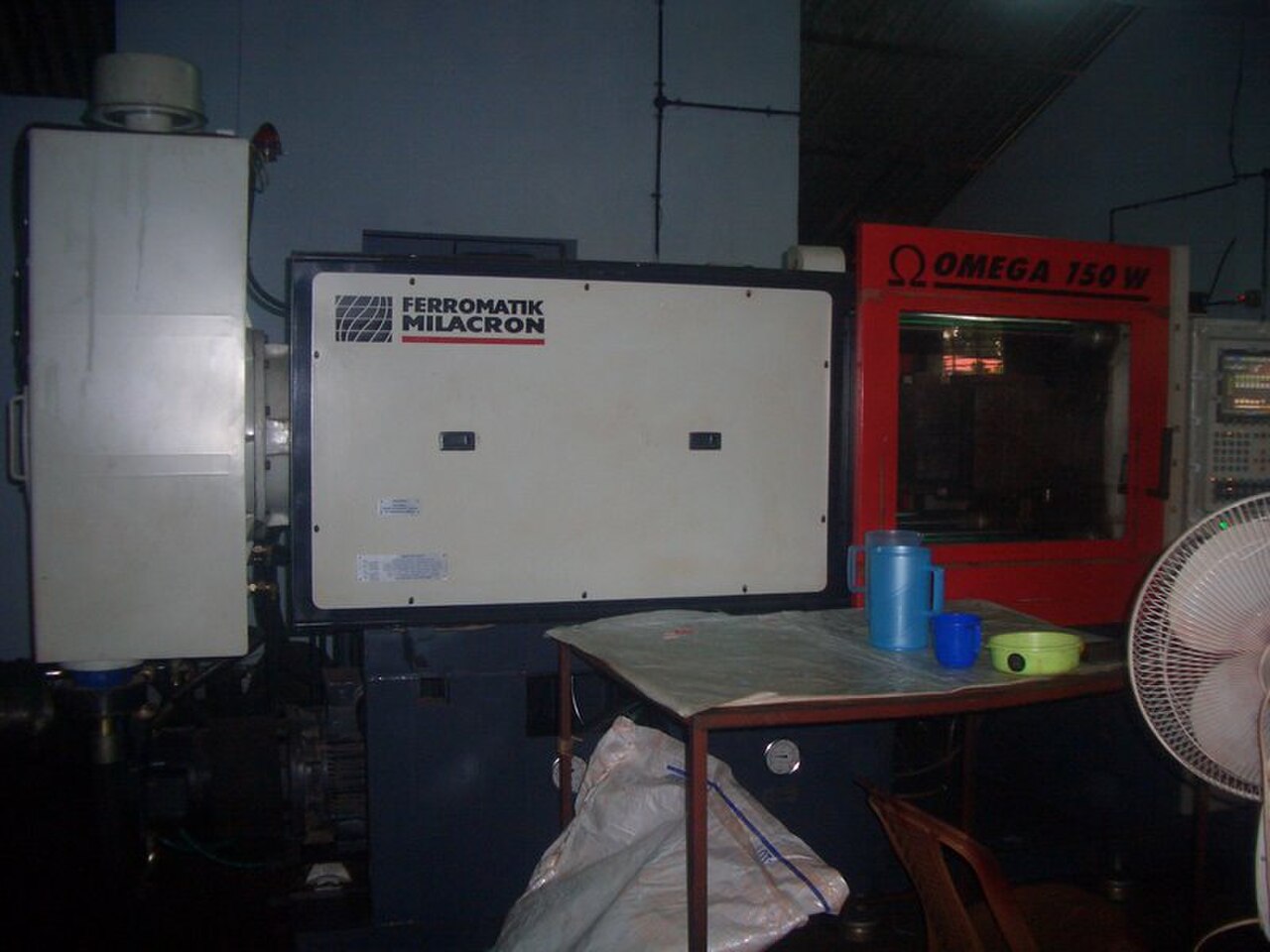
Questions qualify a supplier on paper; verification qualifies them in reality. Before or with your PO, add one or more of these:
- Video audit: a 30–60 minute walk through machining, molding, and assembly. Free, and you see the machine park and housekeeping yourself.
- Paid DFM or feasibility review: ask them to critique your design before quoting. The depth of feedback—wall thickness, draft, gate strategy, steel suggestion—is a direct sample of their competence. Shops that do this in-house typically return it within 24–48 hours.
- Sample review from a comparable project: parts from a similar tool show surface finish, gate quality, and dimensional discipline.
- On-site audit for high-volume programs: check calibration records and meet the engineers who will run your project.
Our recommendation: run the video audit and the paid DFM review on every finalist before tooling money moves — together they cost nothing but time and give you most of the signal. Reserve the on-site audit for high-volume programs (roughly 100,000+ units a year), where a supplier problem costs more than the airfare; below that, a video walk-through plus a DFM critique of your real part is the better trade.
5. Request a DFM Review
Evaluating a supplier for an upcoming precision housing, connector, or two-shot assembly? The fastest way to see how a shop answers these questions is to put it to the test: send your 3D STEP files and 2D drawings to ChilBo, and we’ll return a written DFM review with gate and parting-line recommendations within 24 hours—at no cost, before you spend a dollar on tooling.
Frequently Asked Questions
What tolerance can a precision molder realistically hold?
A capable molder holds ±0.01mm to ±0.02mm on small, stable engineering resins (LCP, PEEK, glass-filled PBT) using an in-house mold and climate-controlled presses. Standard commercial tolerance is around ±0.05mm to ±0.10mm, depending on geometry and shrinkage.
Why is in-house mold making critical for tight tolerances?
Tight tolerances need iterative steel-safe tweaks between T1 and T2. Under one roof, engineers groom the mold, adjust cooling, and re-sample within days instead of shipping a heavy tool to a subcontractor.
What documents should accompany every shipment?
Three core records: a Ballooned Dimensional Inspection Report (CMM/optical verification of CTQ features), the Raw Material CoA matching the resin lot, and the Final Outgoing Inspection Report signed by the quality manager.
How do I verify virgin resin instead of regrind?
Require the incoming raw-material invoice and the resin maker’s lot-specific CoA before production. You can also specify an MFI test or FTIR check on random runners to confirm no degraded regrind entered the hopper.
When should I specify a two-shot press?
Specify two-shot when a part joins a rigid substrate (PC, PA) with a soft TPE/TPU grip or seal—medical handles or waterproof automotive housings. A dedicated two-shot press bonds materials chemically, removes manual assembly, and prevents delamination.