Default to ABS (or PC/ABS when you need a UL flame rating) for cost-sensitive housings and covers, specify POM for gears, bearings, slides, and any mechanical part that slides or carries cyclical load, and reserve PC strictly for parts requiring optical transparency or extreme drop-impact strength that ABS cannot survive. Evaluating ABS vs PC vs POM with that production rule up front keeps your unit economics intact: over 70% of general mechanical and electronic housings do not need pure polycarbonate, and specifying PC “just to be safe” adds 20% to 30% to raw material cost plus longer press cycles for zero functional gain. Pair the resin rules below with our complete buyer’s guide to sourcing precision plastic parts so you lock the right polymer before your toolmaker scales the cavity steel.
Table of Contents
- Property Comparison Through an Injection-Molding Lens
- Pick by Application: Four Shop-Floor Scenarios
- The Production Trade-Offs Datasheets Leave Out
- Two Material Calls We Corrected Before They Shipped
- A Resin Decision Tree With Hard Thresholds
1. Property Comparison Through an Injection-Molding Lens
Most online material guides compare plastics as if you were carving blocks on a CNC mill. In injection molding, melt viscosity, crystalline shrinkage, and pre-drying time dictate whether your part holds tolerance and hits target piece price.
| Property / Molding Metric | ABS (General Purpose) | PC (Unfilled Polycarbonate) | POM (Acetal Copolymer) |
|---|---|---|---|
| Specific gravity / density (g/cm3) | 1.04 to 1.06 | 1.20 | 1.41 |
| Linear mold shrinkage (%) | 0.4% to 0.7% (amorphous) | 0.5% to 0.7% (amorphous) | 1.8% to 2.2% (semi-crystalline) |
| Continuous use temperature (deg C) | 70 to 85 deg C | 115 to 120 deg C | 90 to 105 deg C |
| Notched Izod impact at 23 deg C (kJ/m2) | 18 to 28 kJ/m2 | 60 to 80 kJ/m2 | 6 to 9 kJ/m2 |
| Tensile yield strength (MPa) | 40 to 48 MPa | 60 to 65 MPa | 62 to 70 MPa |
| Moisture absorption at 24h (%) | 0.20% to 0.30% | 0.15% (requires <0.02% to mold) | 0.20% to 0.25% |
| Relative part weight & cost index | 1.0x baseline | 1.25x to 1.35x resin + higher density | 1.15x to 1.30x resin + 35% heavier part |
| Shop-floor molding note | Fills thin walls easily at 210 to 240 deg C; low clamp force | High viscosity at 280 to 310 deg C; demands high injection pressure | Sharp freeze point; requires generous venting to prevent gas burns |
One-line rule: shrinkage is the number that ambushes buyers — POM shrinks roughly 2.0% in the tool, nearly four times as much as ABS or PC at 0.5%, so you can never shoot POM inside a mold cut for ABS or PC, and holding tight tolerances on POM requires extra steel-safe T1/T2 tool grooming.
2. Pick by Application: Four Shop-Floor Scenarios
When weighing ABS vs PC vs POM on a live drawing, match the polymer to the primary mechanical or environmental load on the component.
2.1 Gears, Splines, Slides, and Wear Surfaces: Specify POM
Whenever your part meshes, rotates on a pin, or acts as a spring-loaded detent, POM (acetal) is the automatic choice. A German industrial-drives maker came to us with a 28-tooth actuator position gear after early prototypes molded in ABS wore flat spots on the pitch line within six months of cyclical testing, and an alternative sample in PC cost 30% more while cracking at the tight tooth-root radius under shock load. We built the production cavity for POM copolymer, opened the tooth-root fillet radius to 0.4mm to accommodate POM’s lower notched impact (6 to 9 kJ/m2), and cored out the gear hub to a uniform 2.0mm wall to control its 2.0% crystalline shrinkage. The molded POM gears ran past 2,000,000 dry cycles without lubrication or tooth wear, so specify POM for any sliding mechanism and core out thick sections early so sink does not distort your gear pitch.
2.2 Equipment and Electronics Housings: Specify ABS or PC/ABS
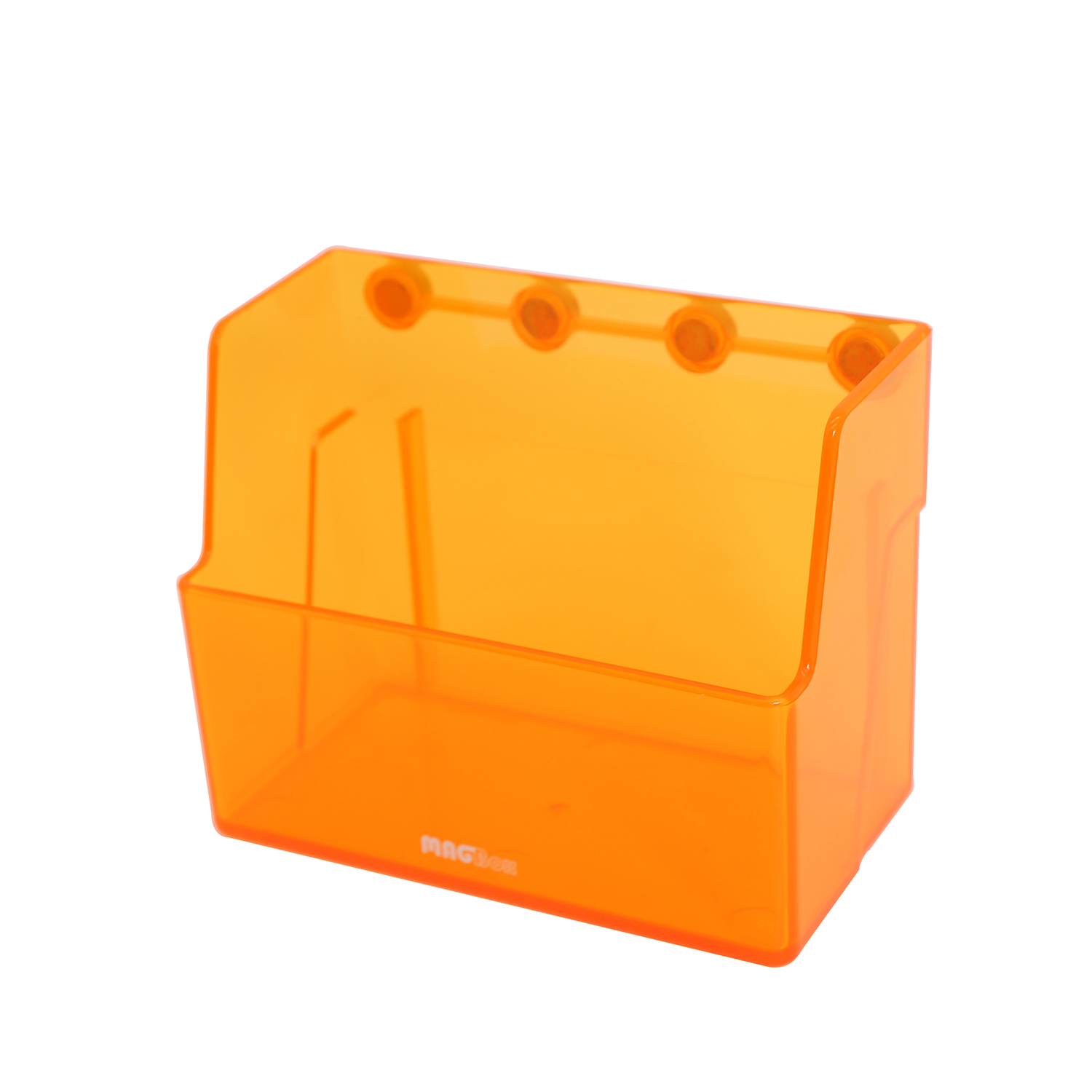
For indoor routers, control panels, handheld scanners, and DIN-rail boxes, default to standard ABS to get clean cosmetic surfaces, low warpage, and fast cycle times. Because ABS is amorphous and flows easily at moderate melt temperatures (210 to 240 deg C), it reproduces Mold-Tech textures cleanly without requiring massive press tonnage or oil-heated molds. When your enclosure surrounds a power supply or lithium battery that requires a UL 94 V-0 flammability rating or higher cold-room drop strength, step up to a PC/ABS alloy rather than pure PC; review our custom plastic enclosure specs checklist and default to ABS or PC/ABS on opaque enclosures so you do not pay a pure-PC molding penalty on a non-transparent box.
2.3 Transparent Guards, Lens Covers, and High-Impact Shells: Specify PC
Choose pure PC only when the part must transmit light or survive brutal impact energy. Polycarbonate delivers roughly 88% to 90% light transmission alongside a massive 60 to 80 kJ/m2 notched Izod impact strength — nearly triple standard ABS and ten times POM. Both ABS and POM are naturally opaque, and PC/ABS blends are translucent-to-opaque at best. For industrial machine safety guards, LED light pipes, medical instrument viewing windows, and ruggedized drop-proof bumpers, specify optical or high-flow UV-stabilized PC, and instruct your toolmaker to use SPI A-1 or A-2 polished S136 stainless steel with wide gates so high-viscosity PC fills the cavity without flow marks or molded-in stress.
2.4 Parts Exposed to Fuels, Alcohols, or Harsh Disinfectants: Specify POM (Never PC)
If your housing, valve body, or clip touches gasoline, hydraulic fluids, isopropyl alcohol (IPA), or quaternary ammonium hospital cleaners, cross PC and standard ABS off your list immediately. Amorphous polymers like PC and ABS suffer from catastrophic Environmental Stress Cracking (ESC) when residual molding stress meets organic solvents or aggressive cleaners, whereas crystalline POM shrugs off fuels, oils, alcohols, and brake fluids with virtually zero degradation. Whenever a mechanical latch or fluid port faces routine chemical wipe-downs or fuel vapor, specify POM and avoid PC entirely so your parts do not shatter in the field.
3. The Production Trade-Offs Datasheets Leave Out
Resin datasheets show idealized lab test bars molded under zero back-pressure. On the production floor, three hidden factors separate a profitable run from a container of scrap.
First, hygroscopy and press-side drying change your unit cost. Polycarbonate is aggressively hygroscopic in the melt phase: if pellets enter the barrel with more than 0.02% moisture, water molecules cleave the polymer chains via hydrolysis at 300 deg C. The resulting parts show silver splay streaks on the surface and lose up to 60% of their impact toughness overnight — snapping like glass during assembly even though the dimensional report looks fine. Running PC requires dedicated desiccant dehumidifying dryers holding 120 deg C for 4 hours prior to molding, adding energy cost and press-startup overhead, whereas ABS and POM tolerate simpler hot-air drying.
Second, chemical stress cracking and UV degradation ruin parts months after shipment. Two buyer mistakes account for the bulk of field recalls we get asked to fix. In the first case, a US medical-device OEM specified clear PC for a handheld diagnostic cradle that nurses wiped down ten times a day with 70% isopropyl alcohol and Cavicide pads; within ninety days, hairline crazing radiated out from every brass screw-insert boss until the mounting ears snapped off. In the second case, an agricultural-sensor buyer specified standard ABS for a pole-mounted outdoor enclosure; within ten months of direct sunlight, UV radiation broke down the butadiene rubber phase in the ABS, turning the white housings chalky yellow and brittle enough to crack under hail impact. Standard ABS and unstabilized PC fail outdoors and around solvents — so specify ASA (or PC/ASA) for outdoor sunlight exposure, and switch to POM or PBT whenever chemicals touch stressed features.
Third, thermal limits cap all three resins below 120 deg C. Neither ABS (80 deg C limit), POM (100 deg C limit), nor PC (120 deg C limit) can survive continuous under-hood automotive heat, reflow soldering, or steam autoclaving. Do not try to compensate for heat by thickening a PC wall to 4.5mm — you will only induce vacuum voids and double your cycle time. When your continuous operating temperature exceeds 120 deg C, leave this tier altogether and step up to high-heat polymers using our PEEK vs PPS vs PC engineering plastic comparison so you match the resin’s glass-transition temperature to your real thermal load.
4. Two Material Calls We Corrected Before They Shipped
Both calls reached us as failed or failing production parts. The resin rule in section 2 already points to the fix, but the field failures below show why the rule exists—pair this with our custom plastic enclosure specs checklist when your part lives in a hot or chemical environment.
4.1 A Detergent Drawer Latch That Cracked in Three Months
A UK domestic-appliance brand specced standard ABS for a dishwasher detergent drawer latch that sees 60 deg C wash cycles and daily exposure to alkaline detergent. The latch stress-cracked along the molded hinge within three months of field use, and their first molder blamed “tight tolerances.” We reviewed the load and chemical profile, re-specced the latch in POM copolymer—crystalline acetal shrugs off hot detergent where amorphous ABS embrittles—then re-ran Moldflow to hold its 2.0% shrinkage on the hinge wall and validated the part on our CMM to ±0.01mm. The POM latch passed a 10,000-cycle detergent-soak flex test with zero fractures, so specify POM, never ABS, for any stressed feature touching heat or chemicals.
4.2 A Battery Cover Snap That Broke After 200 Flexes
A US e-bike brand specified clear PC for a translucent battery cover that also carried a 1.0mm cantilever snap. Pure PC has low fatigue strength at thin snap sections, and the cover cracked after roughly 200 assembly flexes during line testing. We split the function: PC/ABS for the opaque structural shell where the snap lives, and clear UV-stabilized PC only for a small viewing window that carries no load. The PC/ABS snap survived over 5,000 flex cycles and the window kept its light transmission, so match the resin to the actual stress path instead of specifying one polymer for the whole part.
5. A Resin Decision Tree With Hard Thresholds
Apply these five pass/fail thresholds in order when locking your drawing title block:
Does the part require optical clarity (>85% light transmission) or extreme drop-impact resistance (>50 kJ/m2 notched Izod) below 120 deg C? If yes, specify PC.
Does the part act as a gear, bearing, cam, sliding guide, high-cycle spring clip, or sit in contact with fuels, oils, or alcohol cleaners? If yes, specify POM.
Is it an opaque indoor housing, bracket, or cover needing low cost, tight dimensional stability (0.5% shrinkage), and clean cosmetic texture without a V-0 flame rating? If yes, specify ABS.
Is it an electronics enclosure needing UL 94 V-0 flame retardancy and better cold-impact strength than plain ABS? If yes, specify PC/ABS.
Does the part sit in direct outdoor sunlight for years, or run continuously above 120 deg C? If outdoors under 90 deg C, switch from ABS to ASA or PC/ASA; if above 120 deg C, move to PA66-GF, PPS, or PEEK.
Cost threshold rule: every step up the amorphous housing ladder (from ABS to FR-PC/ABS to pure PC) adds 15% to 30% to your raw resin cost per kilogram, plus an extra 13% part-weight penalty on PC and 35% on POM due to higher specific gravity — so never approve a higher-tier resin unless your application crosses one of the physical thresholds above.
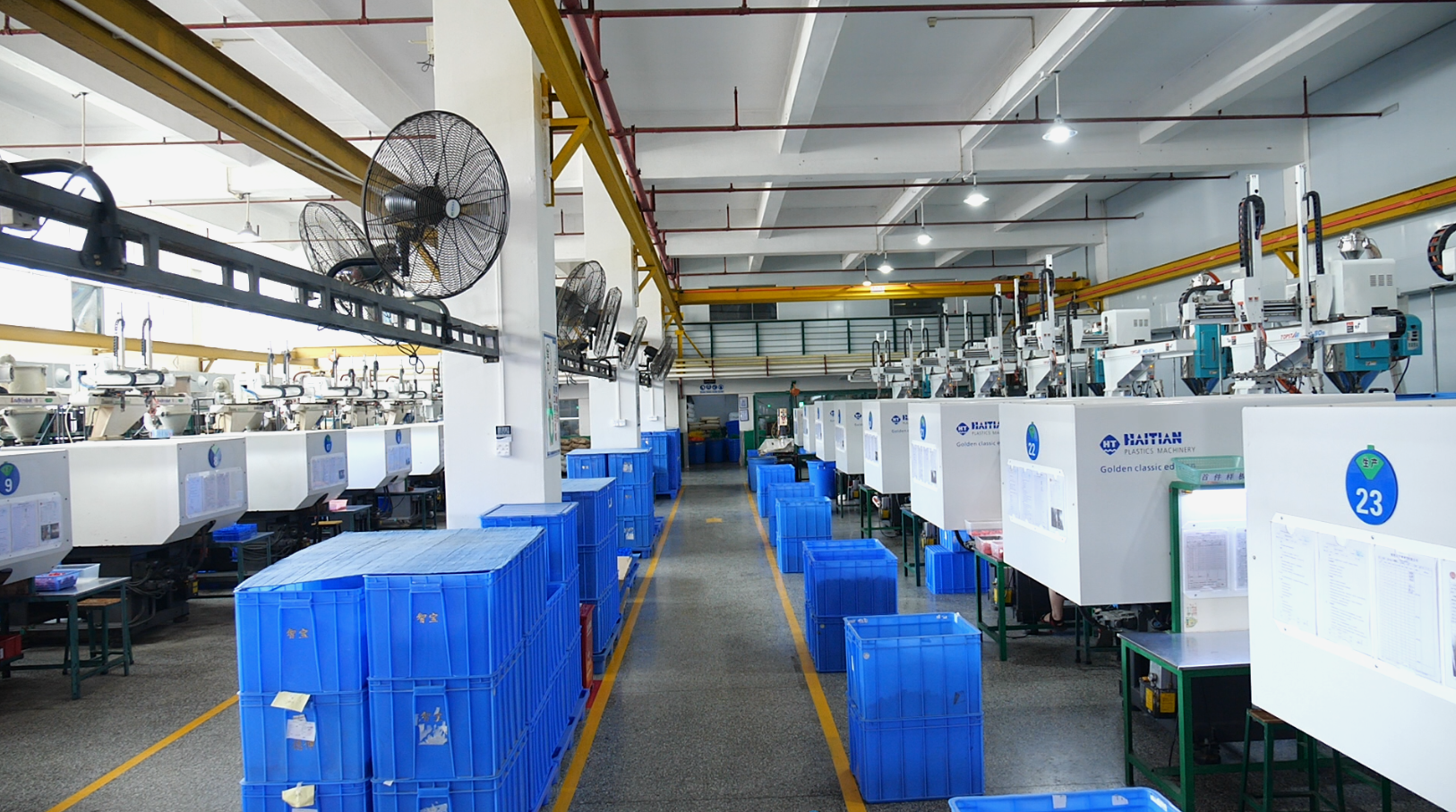
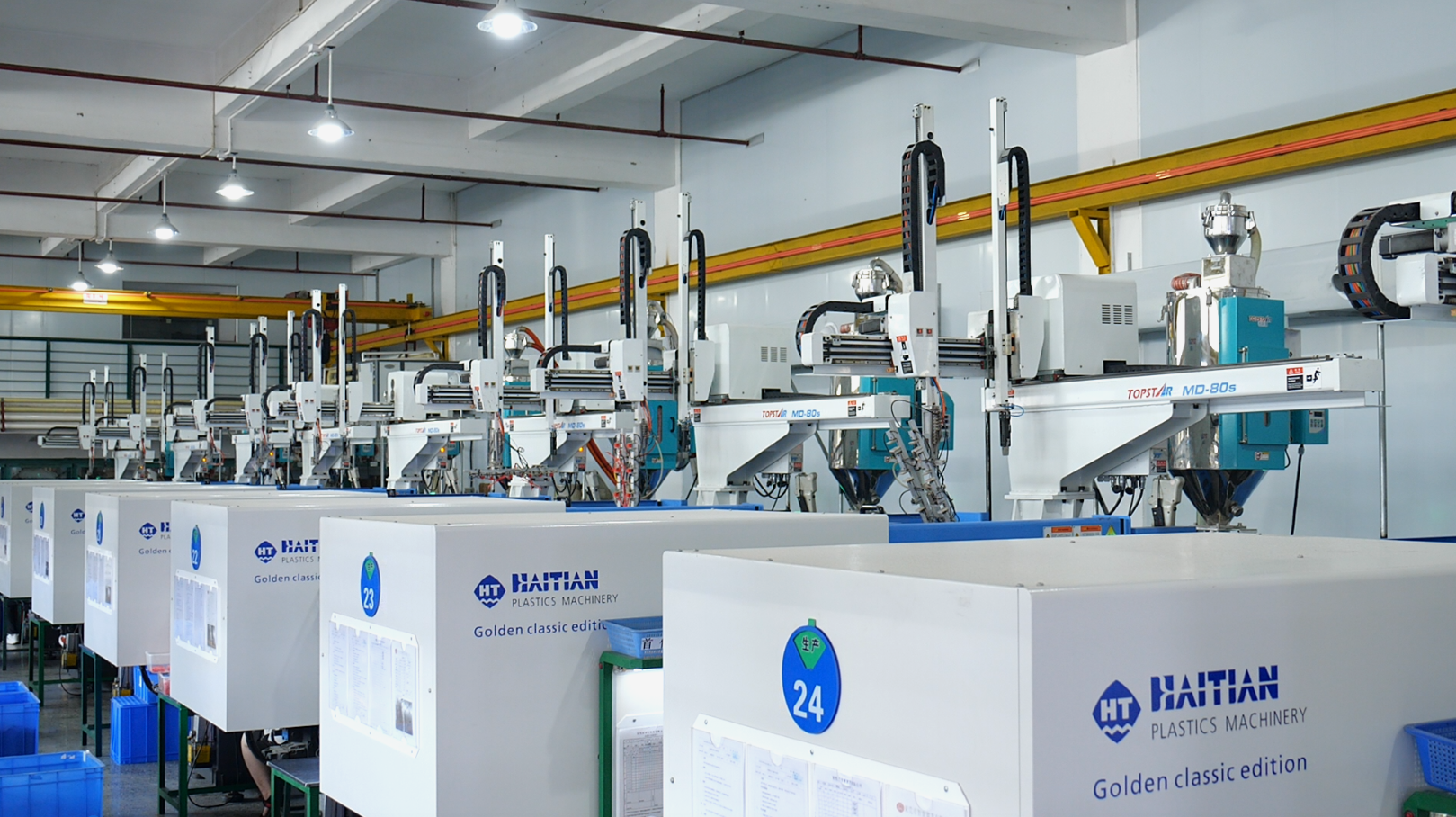
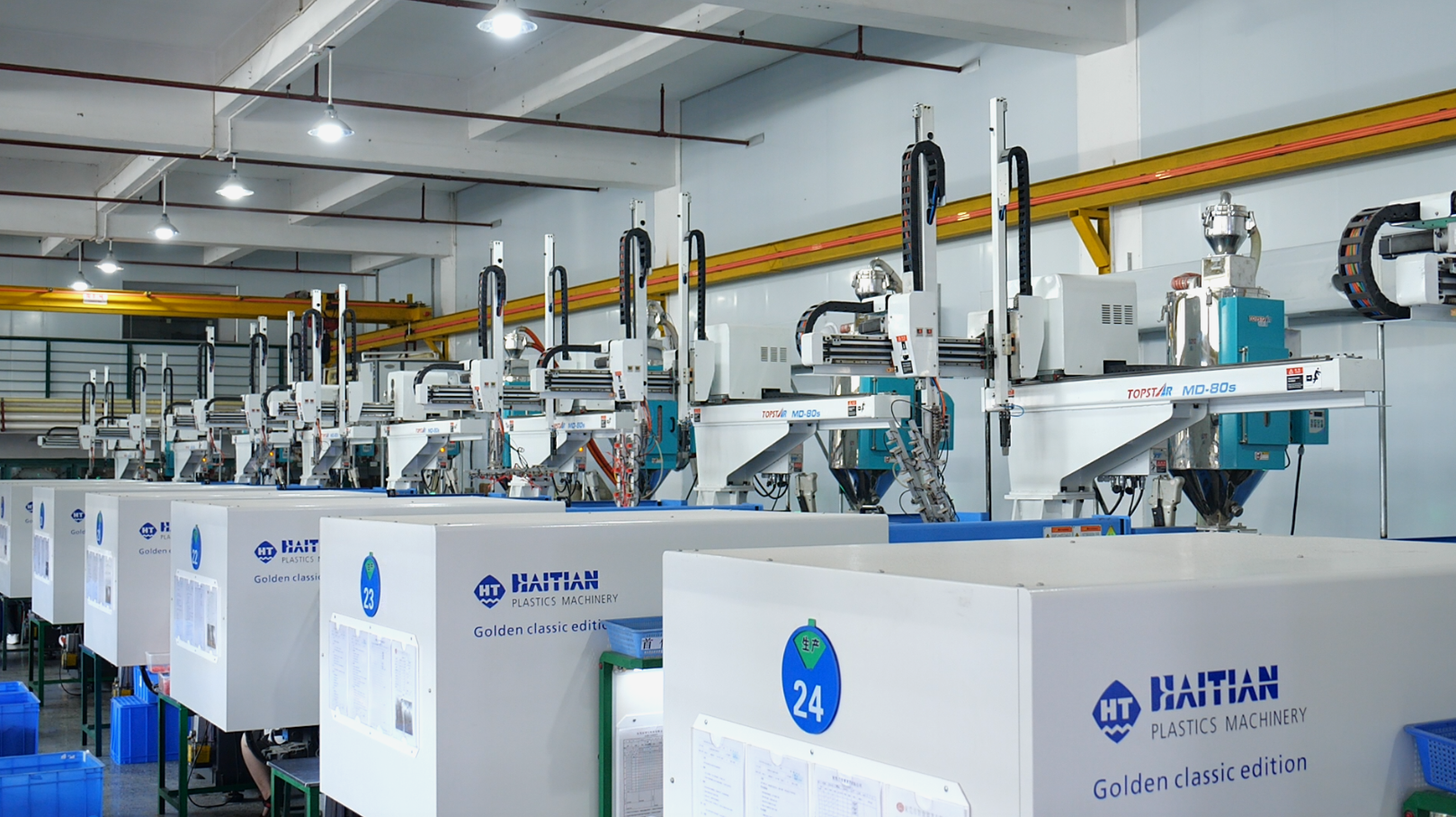
At our ISO 9001:2015 and ICTI-certified facility in Dongguan, we run 25 injection molding machines from 86 to 360 tons — including a 250T two-shot press — and shoot ABS, PC/ABS, PC, and POM daily on the same floor, while our in-house CNC and EDM tool shop scales every mold cavity to the exact polymer shrinkage rate so first-article CTQ dimensions land within ±0.01mm where required; inspect our custom plastic manufacturing capabilities for our full press list and metrology lab equipment.
Send your 3D STEP model, 2D drawing, and the one or two functional requirements that actually drive your part (operating temperature, sliding friction, optical clarity, chemical wipe-downs, or UL flame rating) to our engineering team today — you will get a concrete resin recommendation, a shrinkage-corrected DFM review, and an itemized tooling and piece-part quote within 24 hours.
FAQ
Is ABS cheaper than PC for injection molding?
Yes, raw general-purpose ABS pellets cost roughly 20% to 30% less per kilogram than polycarbonate. Beyond raw pellet price, ABS has a 12% lower density (meaning you get more parts per kilogram of resin) and molds at lower barrel temperatures with faster cooling cycles, so the final landed piece-part cost in ABS is typically 25% to 35% lower than in pure PC.
Can POM be used for injection-molded plastic gears?
POM (acetal) is the industry-standard resin for injection-molded spur, helical, and worm gears because of its naturally low coefficient of friction, high surface hardness, and resistance to creep and fatigue. To mold accurate gears in POM, you must account for its high 1.8% to 2.2% shrinkage rate by coring out thick gear hubs uniformly and adding generous root radii to compensate for its lower notched impact strength.
Does polycarbonate resist chemicals and cleaning solvents?
No, polycarbonate has poor resistance to organic solvents, ketones, fuels, and high-concentration alcohols like IPA. When a molded PC part with internal residual stress contacts those chemicals, it develops micro-crazing and suffers sudden brittle environmental stress cracking; for parts exposed to cleaners or fuels, specify POM or a semi-crystalline PBT blend instead.
Which holds up best outdoors: ABS, PC, or POM?
None of the three standard unstabilized grades perform well in direct long-term sunlight: standard ABS yellows and turns brittle within months due to UV attack on its rubber phase, POM chalks on the surface, and untreated PC yellows and loses impact strength. For outdoor housings and brackets, specify ASA, a UV-stabilized PC/ASA alloy, or a UV-stabilized polycarbonate grade rated with a UL 746C (f1) outdoor suitability listing.