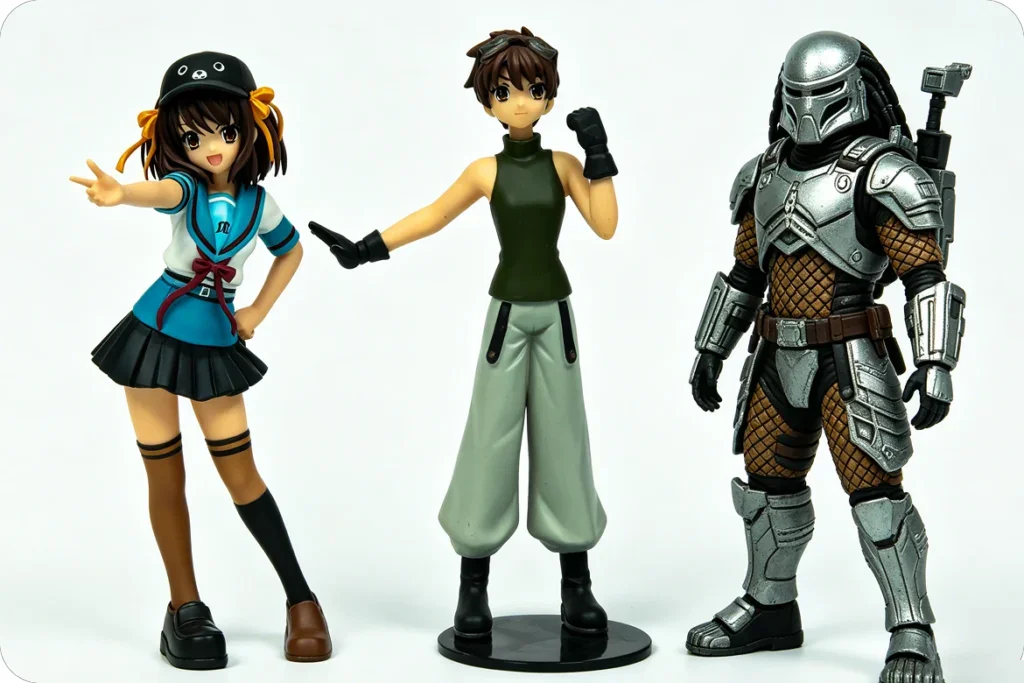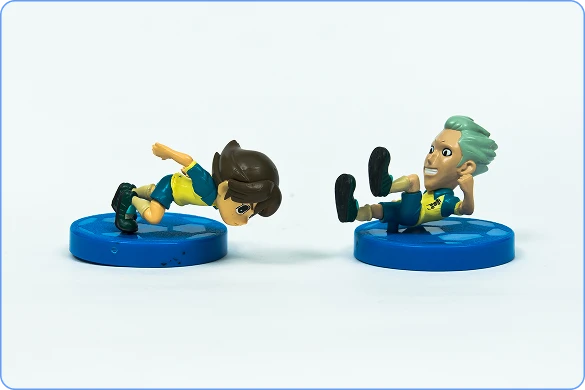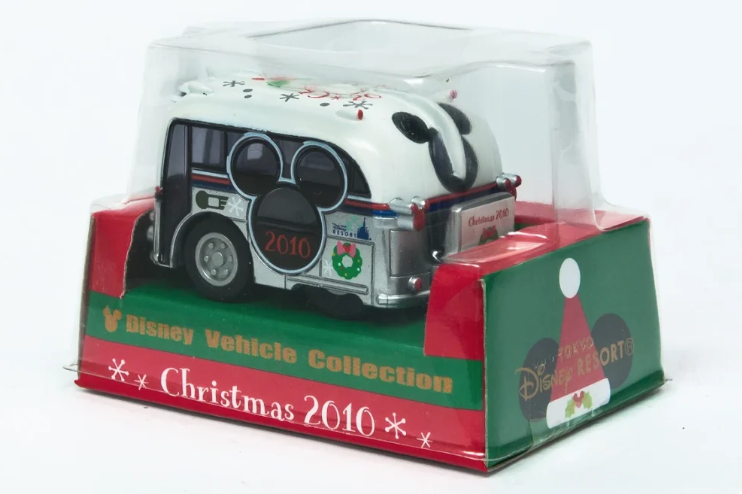
A high-quality scale model holds tight dimensions, crisp surface detail, consistent color across every unit, and parts that fit together without force. In today’s collectibles market, buyers judge quality on how a model looks in the hand, how accurately it matches the real subject, and whether every unit in a production run meets the same standard. This guide breaks down the factors that separate a premium scale model from a mediocre one, and how to verify them before you place an order.
Table of Contents
- Quick Answer: What Defines a High-Quality Scale Model?
- Material and Tooling: The Foundation of Fit and Finish
- Dimensional Accuracy and Tolerances
- Surface Detail and Consistency
- Color, Painting, and Print Quality
- Assembly and Engineering
- Durability and Material Choice
- Quality Control and Inspection
- How to Evaluate a Supplier’s Quality
- How ChilBo Delivers High-Quality Scale Models
1. Quick Answer: What Defines a High-Quality Scale Model?
A high-quality scale model is defined by four things working together: accurate dimensions (often within about ±0.02 mm on precision tooling), sharp and repeatable surface detail, uniform color and print across every unit, and clean assembly fit. A model can look good in a render and still fail on any one of these in production.
The most reliable way to judge quality is to review a physical sample against these four checks, not to rely on studio photos alone. Photos hide gaps, color drift, and soft detail; a sample in your hand does not. For the full production path these traits come from, see our custom model kits manufacturer guide.
2. Material and Tooling: The Foundation of Fit and Finish
The base material sets the ceiling for quality. Most production scale models use injection-molded ABS, PP, PC, or PVC because these plastics hold fine detail and tight tolerances at volume, and they survive shipping and handling. The mold itself is the real foundation: a steel mold cut with CNC and EDM equipment, then polished and tried out, is what lets every part match the design shot after shot.
Resin has its place for prototypes and very low runs, but for a consistent product line plastic injection is the standard. Our plastic vs resin model kits comparison explains when each process fits, and why most brands move to injection for production once the design is locked.
3. Dimensional Accuracy and Tolerances
Dimensional accuracy is where buyers feel quality. A precision scale model holds its scale ratio exactly and keeps critical interfaces — axles, clips, panel lines, mounting points — within tight tolerances. On a well-maintained tool, that is commonly around ±0.02 mm. Loose tolerances cause visible gaps, misalignment, and parts that do not seat, which is the fastest way to make a premium product feel cheap.
Tolerance is not luck; it is a function of tool quality and process control. In-house mold design and cutting let a factory hold the tolerance through the whole run instead of drifting after the first thousand units. When you source, ask for the tolerance in writing and confirm it on a sample with a caliper or gauge.
4. Surface Detail and Consistency
Detail must be both fine and repeatable. A good tool reproduces micro-panel lines, rivets, tread patterns, and texture on the first unit and the ten-thousandth. The risk with hand-finished or cast parts is that detail drifts between units; injection molding keeps it stable because every shot comes from the same steel cavity.
For collectibles, consistency matters more than the highest possible detail on a single piece. A buyer who opens two boxes expects both to look identical. Repeatable detail is what protects your brand when a product ships at scale and lands on retail shelves or in subscriber crates worldwide.
5. Color, Painting, and Print Quality
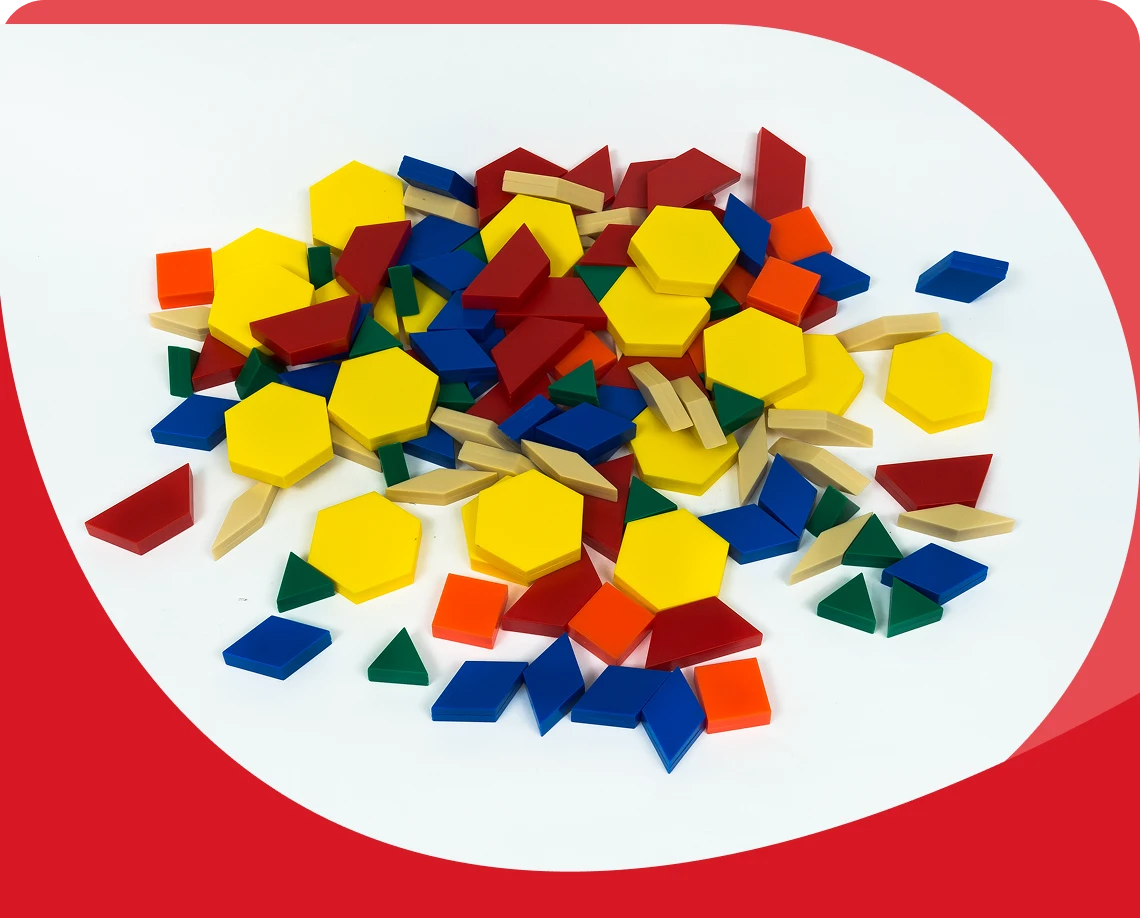
Color accuracy makes or breaks a collectible. High-quality programs use calibrated color references (Pantone or RAL), consistent paint batches, and pad printing or tampo printing for logos and markings that line up on every unit. Cheap programs show color drift between batches and misaligned prints that read as a defect the moment a customer compares two pieces.
Print quality is a detail buyers notice even when they cannot name it. Crisp, registered printing on a small badge or license plate tells the eye “this is precise.” Smudged or offset print tells the eye the opposite. The difference is process control, not luck.
6. Assembly and Engineering
For kit formats, fit is everything. Snap-fit designs with correct draft angles and well-placed gates assemble without glue or force, which is what lets a buyer build the model cleanly at home. Poor engineering means parts that need filing, parts that will not close, and a finished model with gaps that no paint can hide.
Fit is validated long before mass production. The manufacturing path from sculpt to shelf shows how a design is checked for assembly, color, and visual quality on a physical sample before a run starts, which is where most fit problems are caught and fixed.
7. Durability and Material Choice
A model that chips, warps, or cracks fails in the field. Material choice should match how the model will be handled, displayed, and shipped. The table below maps the common scale-model plastics to their strengths so you can match the material to the product.
| Material | Key Strength | Best For | Watch Out For |
|---|---|---|---|
| ABS | Tough, holds fine detail, stable dimensions | Structural kit parts, snap-fit bodies | Can be brittle under sharp impact |
| PC (Polycarbonate) | High impact resistance, clear options | Windows, lenses, rugged parts | Higher cost than ABS |
| PP | Flexible, fatigue-resistant | Hinges, living components | Softer surface, lower detail crispness |
| PVC | Flexible, low cost, easy to mold | Soft-touch parts, figurine bodies | Less rigid; varies by formulation |
For most scale-model kits, ABS and PC carry the load-bearing and detail-critical parts, while PP or PVC fill flexible or soft-touch roles. A supplier that understands material selection will propose the mix rather than defaulting to one plastic for everything.
8. Quality Control and Inspection
Quality is verified, not assumed. In-line inspection, first-article approval, and per-batch documentation catch defects before shipment instead of after. The table below lists the checkpoints that separate a controlled production line from a hopeful one.
| Checkpoint | What Is Verified | Why It Matters |
|---|---|---|
| First-article approval | First molded parts vs the approved sample | Catches tool or setup error before volume runs |
| Dimensional check | Critical dimensions against tolerance | Confirms fit and scale accuracy |
| Color and print check | Batch vs color standard, print registration | Keeps units consistent across a run |
| Assembly trial | Full build of a sample unit | Surfaces fit and gaps before shipping |
| Per-batch record | Inspection log for the lot | Gives traceability and a quality paper trail |
Ask a supplier what they check and how they record it. A factory that cannot show you a per-batch inspection record is asking you to trust quality you cannot verify, which is a poor basis for a branded product line.
9. How to Evaluate a Supplier’s Quality
Before you commit to a large order, run a short checklist. Request a physical sample and check it against the four traits in section 1. Confirm tolerances in writing. Ask who owns the mold and whether tooling is done in-house. Review their QC records. Check the certifications required for your market — toy and collectible items typically need ASTM F963, CPSIA, and EN71, while general plastics may need RoHS and REACH.
For the premium-angle view of the same decision, our guide on what makes a collectible model premium looks at the buyer-side signals — packaging, provenance, and finish — that turn a well-made model into a product people pay more for.
10. How ChilBo Delivers High-Quality Scale Models
ChilBo is a one-stop OEM/ODM custom plastic manufacturer with 20+ years of experience and in-house mold design and tooling. We run design for manufacturability, produce a prototype in about 5–10 days, validate fit and color on a physical sample, then run production with in-line inspection and per-batch records. Because tooling stays in-house, revisions are absorbed without re-quoting or changing vendors.
If you are still deciding between product formats, our miniature figurines vs scale models guide helps match the format to your brand and audience before you lock a design.
Frequently Asked Questions
What tolerance should a quality scale model hold?
A precision scale model commonly holds critical dimensions within about ±0.02 mm on a well-maintained steel tool. Ask for the tolerance in writing and confirm it on a physical sample with a caliper or gauge before a full run.
Is ABS or PVC better for scale models?
ABS is the usual choice for detail-critical and structural kit parts because it is tough and dimensionally stable. PVC is flexible and low-cost and fits soft-touch or figurine-style parts. Most programs mix materials rather than use one for everything.
How do I verify quality before a big order?
Request a physical sample and check it against four traits: dimensions, surface detail, color and print, and assembly fit. Also ask for the supplier’s tolerance spec, mold ownership, and per-batch inspection records. Do not approve a run on photos alone.
Do collectible models need certifications?
If the model is a toy or sold to children, expect ASTM F963, CPSIA, and EN71 depending on the market. For general collectibles, RoHS and REACH chemical reporting are common for materials and finishes. Confirm the exact requirements for your target regions with the supplier.
Can ChilBo handle both prototyping and production?
Yes. ChilBo runs prototyping and full production under one roof, with in-house mold design and tooling. A resin or printed prototype can move directly into plastic injection production without changing vendors or risking information leaks at a handoff.
Request a Quote
If you are planning a scale model line and want to verify quality before committing volume, share your design, target material, expected quantity, and market with our team. ChilBo will propose the right process, prototype it in about 5–10 days, and run production with in-line inspection and per-batch records. Contact our team with your project details and we will follow up with a recommendation and a quote.