Material selection is the most critical engineering decision when developing custom collectible figures. Choosing the wrong raw material fundamentally alters a product’s aesthetic appeal, structural durability, tooling requirements, and ultimate unit cost.
Resin is typically utilized for low-volume, static premium statues due to its manual casting process, whereas PVC and related injection-molded plastics are the mandatory choice for multi-part, high-precision commercial collectibles requiring zero-gap assembly and scalable production.
For procurement teams, IP licensors, and scale model brands, deciding between resin and PVC requires evaluating production volume, mechanical assembly needs, and collector expectations. This technical guide outlines the objective manufacturing differences between these two primary materials, providing a structured framework for selecting the correct material to maximize profit margins and collector satisfaction.
Table of Contents
- Core Manufacturing Comparison: Resin Casting vs. Plastic Injection Molding
- The Realities of Resin Manufacturing for Collectibles
- Why PVC and Injection Molding Dominate Multi-Part Collectibles
- Technical Considerations for Material Selection
- Application Scenarios: Strategic Sourcing for Model and Anime Brands
- The Advantage of a Custom Plastic Manufacturing Partner
- Conclusion and Procurement Recommendations
1. Core Manufacturing Comparison: Resin Casting vs. Plastic Injection Molding
Resin utilizes a manual silicone casting process ideal for static, single-piece statues, while PVC relies on high-precision steel injection molding to achieve buttery-smooth, snap-fit alignment for complex multi-part kits.
The fundamental difference between these materials lies in their respective manufacturing processes. Resin production is highly manual, utilizing silicone molds that degrade quickly, making it unsuitable for components requiring strict dimensional tolerances. PVC production requires a significant initial investment in CNC-machined steel molds, but it guarantees absolute dimensional precision and flawless components across hundreds of thousands of cycles.
Technical Data: Resin vs PVC Figures Manufacturing Comparison
| Comparison Factor | Resin Figures | PVC / Plastic Figures |
| Production Method | Silicone mold casting (highly manual process) | Parameterized injection molding (highly automated) |
| Dimensional Accuracy | Low; subject to shrinkage and mold degradation | Ultra-precise; tolerances down to $\pm0.02$mm |
| Assembly Alignment | Requires manual sanding and heavy adhesives | Zero-gap interlocks and snap-fit alignment |
| Production Volume | Suitable for limited production (dozens to hundreds) | Suitable for medium to large-scale mass production |
| Durability | Highly rigid, brittle, and susceptible to impact damage | Flexible, impact-resistant, and highly durable |
| Unit Cost Structure | Low upfront tooling cost; exceptionally high per-unit cost | High upfront tooling cost; exceptionally low per-unit cost at scale |
2. The Realities of Resin Manufacturing for Collectibles
Resin manufacturing captures ultra-fine microscopic sculpt details for premium statues, but its inherent brittleness and lack of mechanical precision make it entirely unsuitable for complex, multi-part assembly kits.
Resin is strictly the material of choice when brands prioritize maximum surface texture on a static display piece and are producing quantities too low to justify steel tooling.
Limitations of Resin Production:
- Mechanical Inaccuracy: Resin silicone molds warp slightly with every cast. This makes it impossible to engineer zero-gap interlocks or precise joints. If a collectible requires moving parts or precise assembly, resin will fail.
- Lower Mass Production Efficiency: Silicone molds degrade quickly—often after just 20 to 50 casts. Producing thousands of units requires constantly remaking molds, leading to longer production cycles, higher variation control requirements, and severe bottlenecks.
- Fragility Considerations: Resin is highly rigid and brittle. Thin parts, such as capes, antennas, or scale vehicle mirrors, are prone to snapping. This fragility mandates expensive, custom-cut foam packaging to ensure the product survives international transportation.
3. Why PVC and Injection Molding Dominate Multi-Part Collectibles
PVC and associated injection plastics dominate commercial collectibles because parameterized injection molding guarantees component precision down to $\pm0.02$mm, enabling the flawless mechanical fit required for scale models and complex figures.
For global IP owners producing thousands of units, plastic injection molding provides an unmatched balance between aesthetic quality, mechanical engineering, and commercial production efficiency.
Engineering Advantages of Plastic Injection Molding:
- Absolute Dimensional Accuracy: High-end hobbyists and corporate brand owners demand visual fidelity and micron-level combinations. Injection molding achieves linear and dimensional accuracy to guarantee a perfect mechanical fit and wobble-free component function.
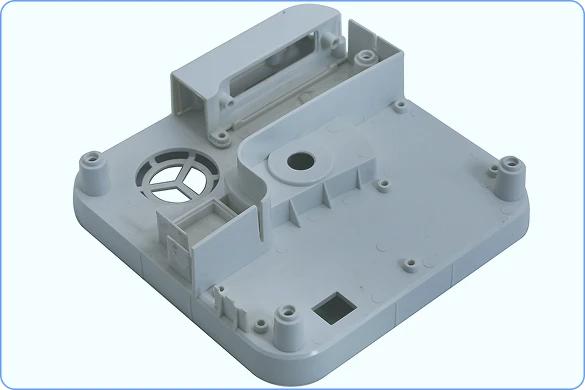
- Complex Structural Integrity: Scale model kits and collectible vehicle series inherently feature a massive density of micro-components, thin-walled panels, and intricate structural joints. Parameterized injection molding prevents unsightly parting lines and ensures zero-warpage on long panels.
- Mold Durability: Engineering robust, hardened tool cavities via advanced custom mold making ensures half a million injection cycles without loss of sharp parting-line precision. This locks in the unit cost for long-term commercial scalability.
4. Technical Considerations for Material Selection
The optimal custom collectible model material is dictated strictly by mechanical requirements and market positioning; brands must select resin for static, limited-edition statues, and PVC for complex, multi-part kits requiring snap-fit assembly.
Choosing between resin and PVC is a strategic mechanical and business decision. Procurement teams must evaluate three specific criteria:
1. Assembly and Mechanical Requirements
If the product is a multi-part model assembly kit or features display components and precision accessories, injection molding (PVC/ABS) is mandatory. Resin cannot hold the strict linear tolerance controls required to eliminate assembly frustration for end-users.
2. Production Quantity Alignment
Production volume is the absolute determining factor for tooling investment.
- Limited premium release (under 500 units): Resin is viable. The volume is too low to amortize the cost of steel molds.
- Large licensed product line (2,000+ units): PVC is mandatory. Injection molding is the only financially viable method to scale.
3. Surface Finishing Needs
Both materials can achieve premium finishes, but through different methods. Resin relies entirely on manual hand-painting. High-end plastic collectibles utilize automated dust-free pad printing to apply realistic textures and custom paint matching, creating an authentic, museum-grade collectible appearance at commercial scale.
5. Application Scenarios: Strategic Sourcing for Model and Anime Brands
Game studios utilize resin to create high-margin, static statues for hardcore collectors, whereas retail brands utilize custom plastic manufacturing for scale model vehicles and miniature collectible figures requiring absolute batch consistency.
The strategic application of these materials varies heavily based on the specific product category.
Scenario 1: Game Studio Developing Static Premium Statues
- Customer Situation: A game developer wants to create a highly exclusive, single-piece collectible based on a flagship character.
- Requirements: Absolute maximum character detail, premium appearance, and a strict collector-focused positioning with zero assembly required by the user.
- Manufacturing Solution: A pure resin-based production approach. It bypasses heavy steel tooling costs while delivering the premium surface finishing expected by high-end collectors for static displays.
Scenario 2: Anime Brand Launching Miniature Collectible Figures
- Customer Situation: An anime licensor needs to produce a line of miniature collectible figures for global fans.
- Requirements: Strict adherence to character accuracy, robust cost control, and the ability to support larger quantities.
- Manufacturing Solution: A custom plastic manufacturing strategy utilizing parameterized injection molding. This secures consistent quality across massive batches, lowers the per-unit cost, and provides the durability required for standard retail channels.
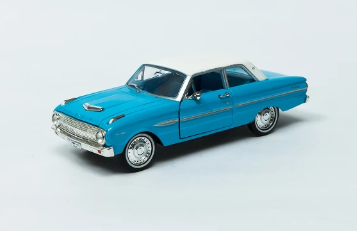
Scenario 3: Hobbyist Brand Creating Scale Model Vehicles
- Customer Situation: A brand requires premium OEM production for scale model vehicles and multi-part model assembly kits.
- Requirements: A massive density of micro-components, zero-gap interlocks, and flawless component precision.
- Manufacturing Solution: Partnering with an engineering-driven model kits manufacturer ensures advanced mold cavity cooling layouts and optimized material crystallization, delivering the buttery-smooth, snap-fit alignment hobbyists demand.
6. The Advantage of a Custom Plastic Manufacturing Partner
Partnering with an engineering-driven custom plastic manufacturer allows brands to achieve flawless visual fidelity and micron-level combinations through fully integrated 3D engineering and high-precision custom mold making.
Procurement teams must recognize that achieving premium collector status at a commercial scale requires advanced industrial infrastructure. Relying on basic processing factories often results in plastic shrinkage defects and loose assembly joints.
A specialized scale model manufacturer masters the delicate physics of scale replication. By offering a fully integrated, modern manufacturing infrastructure—spanning 3D engineering, rapid prototyping, high-precision custom mold making, parameterized injection molding, dust-free painting, and turnkey packaging—the manufacturer eliminates multi-vendor friction. This structural approach ensures that every multi-part assembly grid achieves batch-consistent injection and crisp detailing.
7. Conclusion and Procurement Recommendations
Choosing between resin and PVC requires a calculated analysis of your product’s mechanical complexity, target retail price, and production volume.
Decision Framework:
- Select Resin when you are targeting a premium collector demographic, manufacturing low volumes of static statues, and require microscopic sculptural details without any mechanical assembly requirements.
- Select PVC / Injection Molding when you are developing multi-part model assembly kits, miniature collectible figures, or scale model vehicles that demand zero-gap interlocks and dimensional accuracy down to $\pm0.02$mm.
By aligning material choices with structural realities, brands can optimize their tooling investments and maximize profit margins. To evaluate the exact manufacturing feasibility of your complex hobbyist models and secure end-to-end manufacturing excellence, we invite your procurement team to contact Chilbo for a free technical quote and initiate a professional engineering review.
Frequently Asked Questions (FAQs)
Q1: Why is the upfront tooling cost for PVC figures higher than for resin figures?
PVC manufacturing requires CNC-machined, hardened tool cavities designed to withstand half a million injection cycles. Resin manufacturing utilizes soft silicone molds poured around a master sculpt, which are very cheap to produce but degrade and must be remade after just 20 to 50 casts.
Q2: Can resin be used for multi-part model assembly kits?
No. Resin casting cannot hold the strict linear tolerance controls required for buttery-smooth, snap-fit alignment. Complex structural joints and zero-gap interlocks require the $\pm0.02$mm precision that only parameterized injection molding can provide.
Q3: How are premium textures applied to mass-produced plastic collectibles?
Instead of the slow manual painting required for resin, premium custom plastic manufacturing utilizes dust-free pad printing, realistic textures, and custom paint matching to create an authentic, museum-grade collectible appearance at a rapid, commercial scale.
Q4: What is the typical Minimum Order Quantity (MOQ) for resin versus PVC figures?
Because resin requires no expensive steel tooling, manufacturers can accept very low MOQs, often ranging from 50 to 300 units for limited editions. Plastic injection molding typically requires an MOQ of 2,000 to 5,000 units to financially justify the high capital investment of steel mold development and injection machine setup.
Q5: How does advanced cooling prevent warpage in plastic collectibles?
For long panels or thin-walled components often found in scale model vehicles, engineers execute advanced mold cavity cooling layouts and optimize material crystallization. This highly controlled thermodynamic injection parameter prevents the plastic shrinkage defects and warpage common in lower-tier manufacturing.