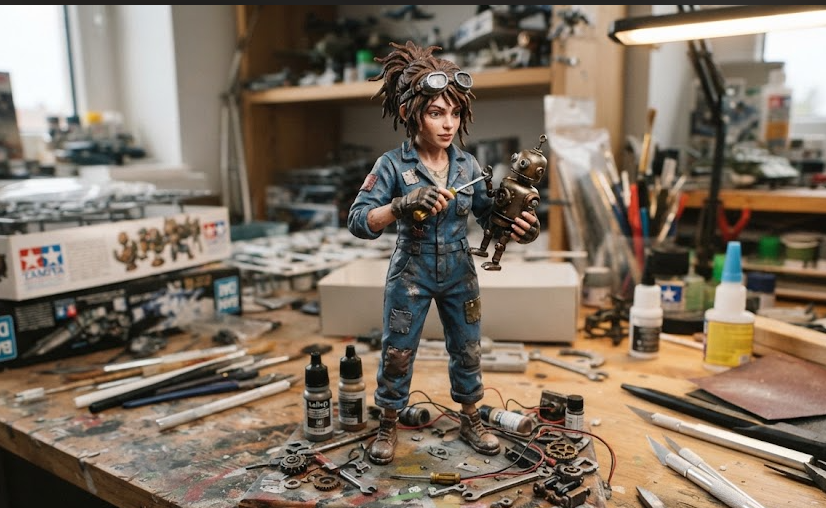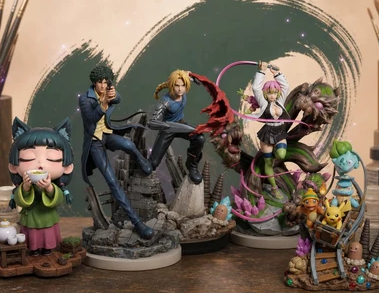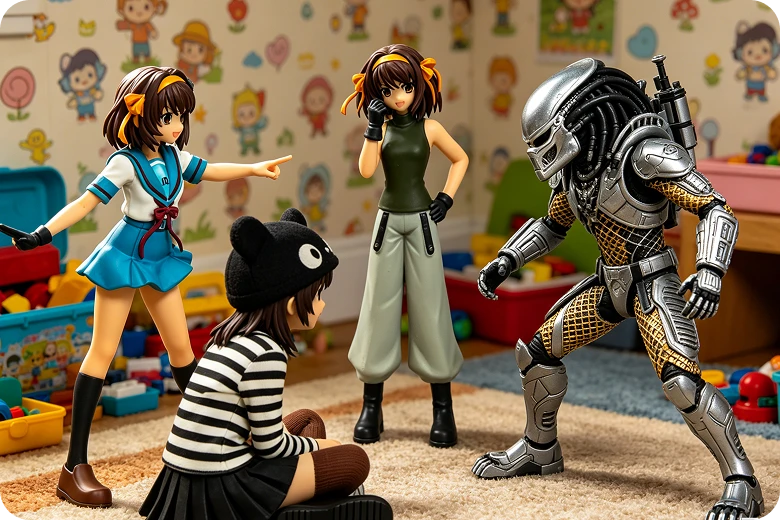
The manufacturing process of plastic toys is popular with many people because the use of plastic as a raw material makes them more durable and safer. Examples include plastic anime and cartoon figurines, plastic toy cars, and so on. Below, we will take a look at how the manufacturing process of plastic toys is carried out:
I. Prototype Design Stage:
We need to determine the appearance, colour and details of the plastic toy. First, market research must be conducted to understand current toy trends and consumer demands. Based on the research findings, designers will produce sketches and use modelling software to create prototypes. Once the prototype has been finalised, surface treatments such as spray painting or electroplating are applied to enhance the toy’s visual appeal and wear resistance.
II. Material Selection Stage:
We must consider the type, quantity and quality of materials. Typically, plastic toys are made from a variety of materials, such as ABS, PVC and PP. When selecting materials, we need to take into account factors such as hardness, transparency and wear resistance, and choose the appropriate material based on the toy’s design requirements. At the same time, we must estimate the amount of material required to ensure sufficient supply during the production process.
III. Mould Manufacturing Stage:
Moulds are crucial to the production of plastic toys. Firstly, mould design is required to determine the structure and dimensions of the mould. Subsequently, software is used to draw up mould drawings and complete the manufacturing process. Once manufacturing is complete, the mould must undergo inspection to ensure that its precision, surface finish and structural quality meet the required standards.
IV. Plastic Injection Moulding Stage:
We inject plastic raw material into the mould to produce the various components of the toy. The injection method and choice of material have a significant impact on the toy’s quality and appearance. Typically, we use an injection moulding machine to heat the plastic raw material until it melts, then inject it into the mould through the gate. During this process, it is necessary to control the injection pressure and speed to ensure the material fully fills every part of the mould.
V. Surface Finishing Stage:
In accordance with the product’s design requirements, the product generally undergoes surface treatments such as spray painting, pad printing, electroplating, hot stamping and other processes. This enhances the product’s appearance, making it more visually appealing.
VI. Assembly Stage:
The finished products, along with internal structural components and other accessories, are assembled into finished goods on the assembly line using modern assembly equipment.
VII. Quality Inspection Stage:
Strict quality inspections are carried out on the manufactured toys to ensure they comply with safety standards and customer requirements. Inspection criteria cover multiple aspects, including dimensional checks, visual inspections and functional testing. Non-conforming products are either reworked or scrapped to prevent defective items from entering the market.
VIII. Packaging and Dispatch Stage:
Toys that have passed inspection are packaged for transport and sale. Packaging options include individual, multi-unit or bulk packaging, selected according to customer requirements and market needs. Once packaging is complete, we dispatch the goods via the delivery method specified by the customer, ensuring the products reach the customer on time.
Summary
The manufacturing process of plastic toys involves multiple stages and factors; from prototype design to packaging and dispatch, each stage has a significant impact on the quality and appearance of the toys.