
ABS vs PVC for Educational Toys: Which Is Safer and More Durable for Classrooms?
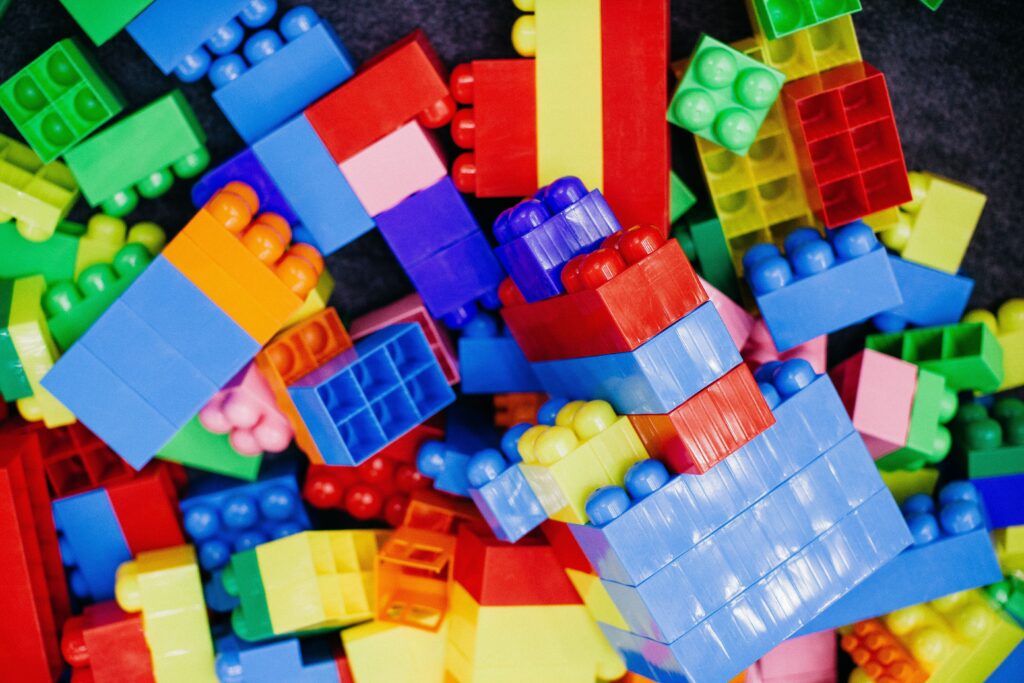
A B2B buyer’s comparison of ABS vs PVC for educational toys — safety (phthalates, BPA), classroom durability, manufacturing cost, and a clear decision framework.
Educational & Learning Toy Manufacturing: A Complete B2B Guide for Brands
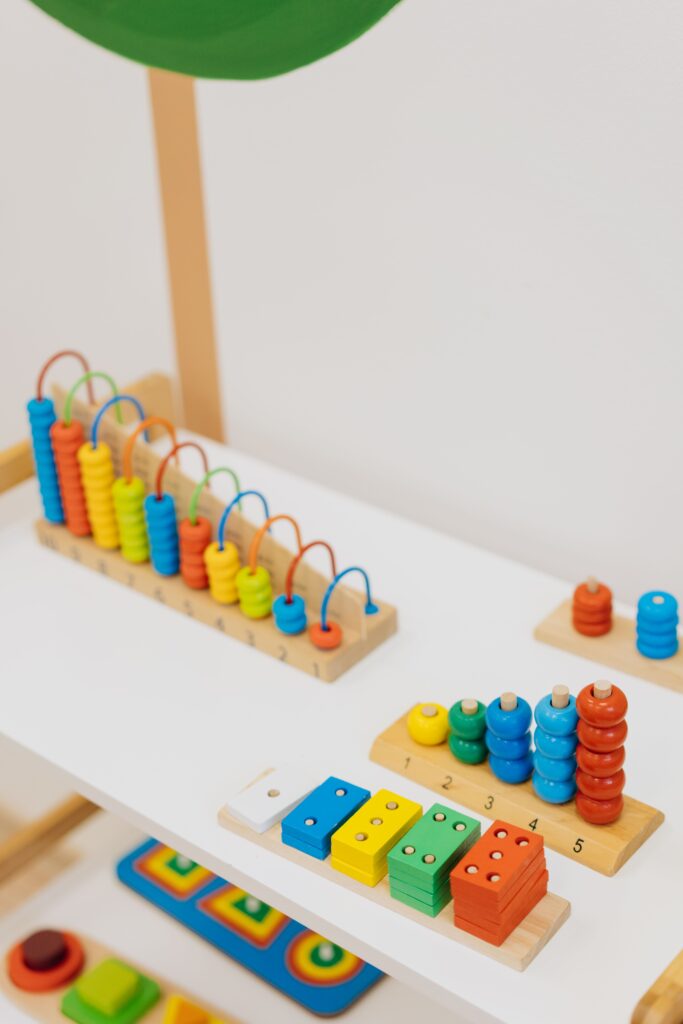
A manufacturer’s guide to how educational and learning toys are engineered and manufactured — materials, tolerances, compliance, and the decisions that determine classroom durability and sourcing risk.
Plastic Injection Molding vs Other Manufacturing Methods: Which Fits Your Product?
This decision framework helps product developers and procurement teams select the most cost-effective manufacturing process based on volume, part complexity, and budget. It clearly defines when to leverage 3D printing or CNC machining for low-risk prototyping, and exactly when to commit to injection molding tooling to achieve scalable, highly profitable commercial mass production.
Resin vs PVC Figures: Which Material Is Better for Collectibles?
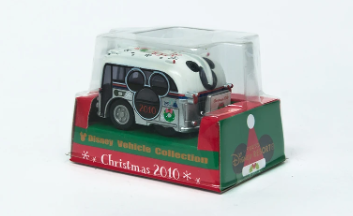
This technical B2B procurement guide evaluates resin and PVC for collectible figure manufacturing. While resin is suitable for static, low-volume statues, the article demonstrates why parameterized injection molding is strictly required to achieve the $\pm0.02$mm precision, zero-gap interlocks, and structural integrity necessary for commercial multi-part model kits and scale vehicles.
How to Reduce Collectible Model Production Costs?
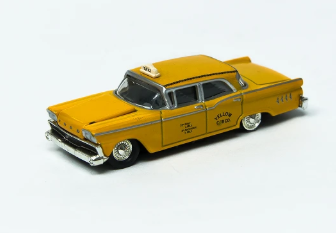
This technical B2B procurement guide details how to effectively reduce collectible model production costs without compromising premium IP aesthetics. It outlines the necessity of pre-production Design for Manufacturing (DFM) to consolidate components and lower upfront tooling capital. By establishing clear frameworks for strategic material selection (PVC/ABS) and supply chain consolidation, the article equips procurement teams to optimize unit costs and maximize profit margins in high-detail manufacturing.
How to Produce Licensed Collectible Figures for Your Brand?
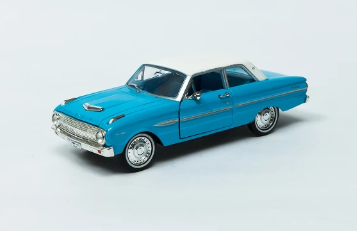
This technical procurement guide details the rigorous standards required for licensed collectible figures manufacturing. It outlines the necessity of exact character translation, strategic material selection (PVC/ABS), and uncompromising IP confidentiality through NDAs. By providing a structured evaluation framework for batch consistency and OEM capabilities, the article equips IP owners and game studios to securely and profitably scale their digital assets into premium physical merchandise.
What Is the MOQ for Custom Educational Toys?
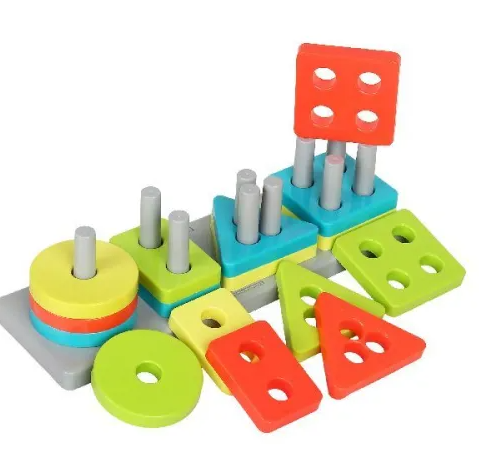
This technical B2B procurement guide decodes the factors determining the MOQ for custom educational toys. It explains how product complexity, custom tooling, and packaging minimums drive production requirements. By outlining strategic sourcing models—from pilot runs for startups to high-volume manufacturing for established brands—this resource equips procurement teams to balance upfront inventory risk with long-term unit cost optimization.
How to Reduce Risks When Developing Custom Educational Toys
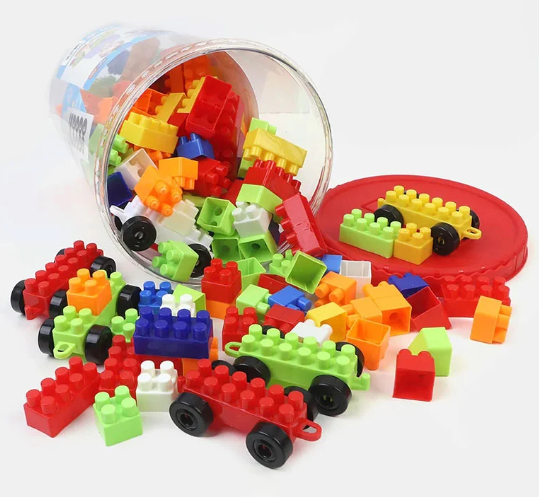
This technical brief provides procurement teams and engineers with an objective framework for auditing custom learning product manufacturers. It details the necessity of Design for Manufacturing (DFM) analysis, the mechanical advantages of integrated in-house tooling, and the strict material control protocols required to meet ASTM/CPSIA standards. By applying these criteria, buyers can mitigate supply chain risks, stabilize unit costs, and verify factory capabilities prior to capital investment.
How to Select a Reliable Manufacturer for Custom Learning Products: A Strategic Sourcing Guide
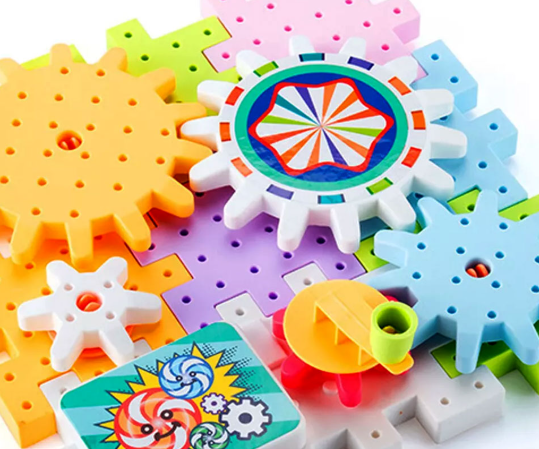
This strategic sourcing guide helps educational brands, STEAM companies, and distributors evaluate custom learning product manufacturers. It outlines the critical importance of pre-production engineering support, integrated custom tooling capabilities, and strict adherence to international safety standards (ASTM/CPSIA). By utilizing this decision framework, procurement teams can avoid basic processing factories and select a scalable, one-stop OEM partner that minimizes manufacturing risks and optimizes long-term unit costs.