How to Reduce Risks When Developing Custom Educational Toys
This technical brief provides procurement teams and engineers with an objective framework for auditing custom learning product manufacturers. It details the necessity of Design for Manufacturing (DFM) analysis, the mechanical advantages of integrated in-house tooling, and the strict material control protocols required to meet ASTM/CPSIA standards. By applying these criteria, buyers can mitigate supply chain risks, stabilize unit costs, and verify factory capabilities prior to capital investment.
How to Select a Reliable Manufacturer for Custom Learning Products: A Strategic Sourcing Guide
This strategic sourcing guide helps educational brands, STEAM companies, and distributors evaluate custom learning product manufacturers. It outlines the critical importance of pre-production engineering support, integrated custom tooling capabilities, and strict adherence to international safety standards (ASTM/CPSIA). By utilizing this decision framework, procurement teams can avoid basic processing factories and select a scalable, one-stop OEM partner that minimizes manufacturing risks and optimizes long-term unit costs.
How to Compare Educational Toy Manufacturers Before Production?
This technical evaluation guide provides toy brands, retailers, and distributors with a strategic framework for comparing educational toy manufacturers. It details how to assess a supplier’s engineering support, custom tooling capabilities, quality control systems, and safety compliance (ASTM/EN71). By outlining specific evaluation criteria, the article empowers buyers to bypass basic processing factories and select a reliable, one-stop OEM partner capable of scaling complex STEAM products from design concept to global retail distribution.
How Much Does Custom Plastic Injection Molding Cost for New Products? A Comprehensive Buyer’s Guide
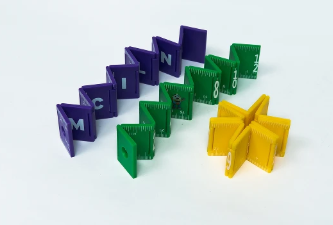
This technical guide provides B2B buyers with a transparent breakdown of injection molding costs, separating one-time tooling investments from variable unit prices. It offers a practical decision framework to evaluate manufacturing quotes, utilizing Design for Manufacturing (DFM) to eliminate unnecessary mold complexities. Procurement teams and product developers can use this resource to balance initial capital risks against long-term production savings when selecting a scalable OEM partner.
What Is the MOQ for Custom Plastic Products From a Manufacturer? A Strategic Sourcing Guide
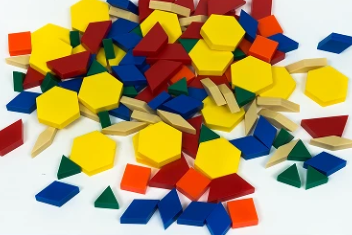
This guide decodes how tooling investments, custom materials, and machine setup times dictate the MOQ for custom plastic products. It provides a practical decision framework helping buyers balance upfront inventory risks with long-term unit cost optimization. Procurement teams and product developers can use this resource to evaluate their production readiness, negotiate better minimums, and select a scalable OEM manufacturing partner based on their specific business scale.
How to Reduce Custom Plastic Parts Costs Without Losing Quality?
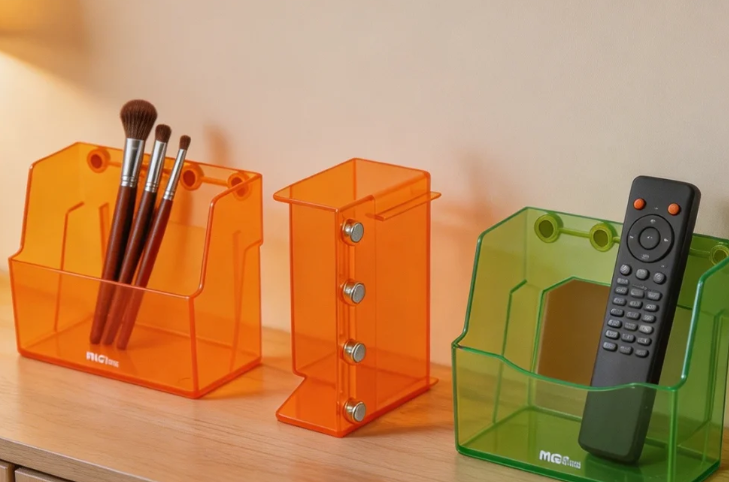
This technical guide provides B2B procurement teams with an engineering-driven framework to reduce injection molding costs without compromising structural integrity. By detailing the financial impact of early DFM optimization, strategic material selection, and multi-cavity tooling ROI, it equips buyers to eliminate hidden manufacturing waste. Decision-makers can leverage these insights to disqualify low-bidding, high-risk vendors and strategically select integrated manufacturing partners capable of sustainable, cost-effective mass production.
How to Choose a Plastic Injection Molding Manufacturer?
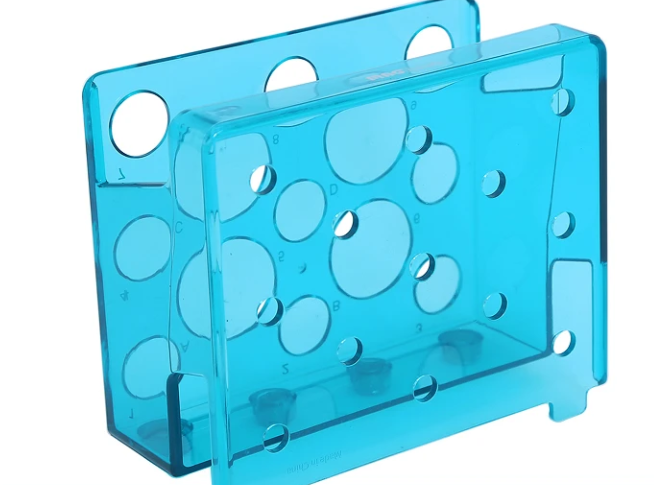
This technical guide provides a rigorous evaluation framework for B2B procurement teams selecting plastic injection molding partners. It details how mandatory DFM analysis, precise material selection (ABS, Nylon, PC/ABS), and in-house CNC tooling prevent catastrophic mass-production failures. Buyers can leverage these engineering insights to disqualify high-risk vendors and choose suppliers based on long-term production consistency rather than just the lowest initial tooling quote.
What Is the MOQ for Custom Collectible Models? A Technical Guide
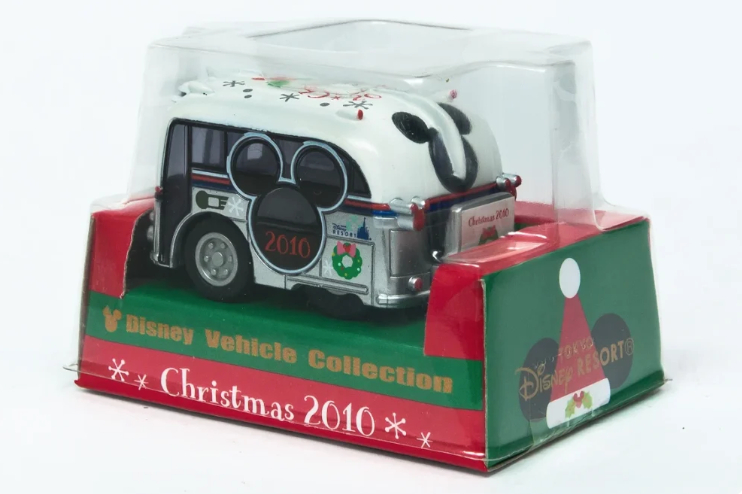
This technical guide provides B2B buyers with an engineering-based framework for understanding Minimum Order Quantity (MOQ) calculations. It reveals how material constraints, steel tooling amortization, and structural complexity directly dictate volume thresholds. Procurement teams can use these insights to make data-driven sourcing decisions, balancing low-risk resin pilot runs against scalable, high-volume PVC/ABS production to maximize profit margins.
10 Questions to Ask Before Choosing a Collectible Figure Supplier
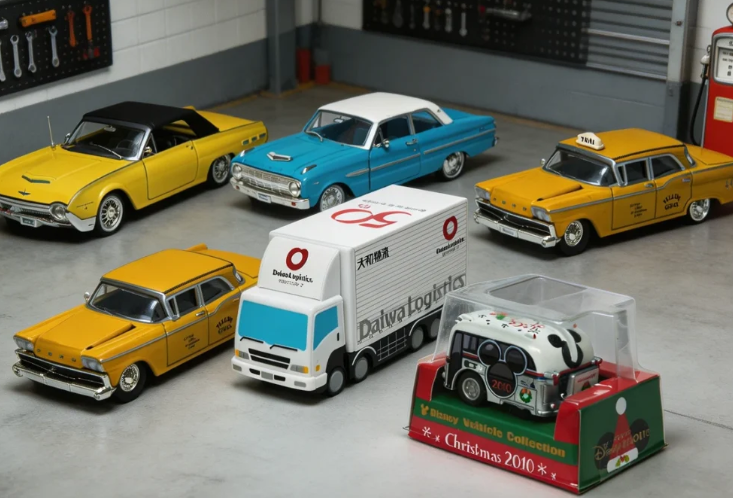
This technical guide provides a rigorous 10-point evaluation framework for B2B procurement teams sourcing manufacturing partners. By detailing crucial engineering checkpoints—from DFM optimization and physical prototyping to managing thermal shrinkage and tooling constraints—it equips buyers with the exact criteria needed to distinguish high-risk brokers from fully integrated OEM factories. Decision-makers can use these targeted questions to safeguard their IP, prevent batch-to-batch aesthetic degradation, and ensure structural integrity before authorizing mass production.