Sourcing subpar educational products risks brand reputation and product recalls. Ignoring material safety or play value leads to high return rates. High-quality STEAM toys in 2026 combine non-toxic ABS plastics, open-ended structural designs, and strict safety compliance, ensuring durable, multi-scenario hands-on learning for cognitive development.
Modern buyers are no longer looking for simple plastic items. Educational institutions, daycare centers, and parents expect products that integrate creativity, problem-solving, and fine motor skill development. Sourcing reliable products requires partnering with an experienced educational learning toys manufacturer who understands how to balance precise injection molding tolerances with pedagogical value, moving a concept from raw material to a market-ready classroom staple.
Table of Contents
- 1. Why is Open-Ended Play Essential for STEM Educational Toys?
- 2. What Material Standards Define High-Quality Plastic Educational Toys?
- 3. How Does Design Complexity Impact Manufacturing Costs?
- 4. Why are Math Manipulatives Crucial for Preschoolers?
- 5. How Can an Educational Toy OEM Factory Ensure Quality Control?
- 6. What OEM Customization Options Matter Most for Brands?
- 7. Conclusion
1. Why is Open-Ended Play Essential for STEM Educational Toys?
Selecting toys with single-function play patterns severely limits their market lifecycle. Buyers must prioritize versatile designs that grow with the child’s developmental stages to ensure long-term market viability.
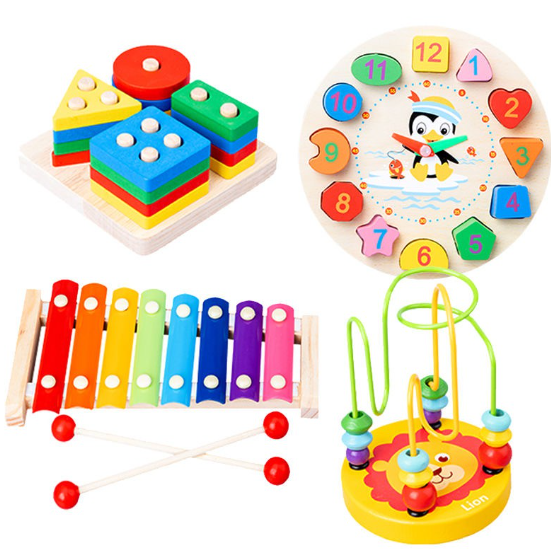
Open-ended play is essential because it allows children to use a single toy in multiple ways, extending product lifespan and increasing educational value. STEM construction toys with interlocking mechanisms encourage continuous problem-solving, spatial reasoning, and creativity without predefined outcomes, driving higher repeat purchase rates.
1.1 Structural Versatility and Longevity
For Amazon sellers and retail brands, offering toys that hold a child’s attention over months or years is a primary competitive advantage. STEM construction toys, such as interlocking straw structures or modular geometric blocks, represent the pinnacle of open-ended play. Because these kids learning toys lack a single “correct” final shape, they force the user to engage in continuous spatial structure reasoning and trial-and-error problem-solving.
From a manufacturing perspective, these toys require highly precise injection molding. The friction fit between male and female connecting parts must be exact; a tolerance deviation of just 0.05mm can make the pieces too difficult for a child to assemble or too loose to hold a structure together. Experienced factories engineer these components to maintain their structural integrity even after thousands of connection cycles. By supporting diverse building methods, brands can easily bundle these products into expansions or varying set sizes (e.g., 50-piece starter sets vs. 300-piece classroom sets), creating scalable product lines.
1.2 Target Age Adaptability
The core demographic for STEAM toys remains children aged 3 to 8 years old. A high-quality custom STEAM toy must scale in complexity alongside the child’s cognitive development. A three-year-old might use a set of magnetic tiles purely for color sorting and basic stacking, which develops gross motor skills. By age six, that same child uses the identical tiles to build complex 3D architectural models, engaging engineering and physics principles.
Procurement managers should look for educational toy suppliers whose portfolios reflect this adaptability. Toys that combine physical building with logic training bridge the gap between basic play and structured STEM education. When a product supports this wide age range, it becomes highly attractive to institutional buyers, such as STEM training centers and kindergartens, who require versatile inventory that can be utilized across different age-segregated classrooms.
2. What Material Standards Define High-Quality Plastic Educational Toys?
Material selection directly determines both safety compliance and product durability. Using inferior resins leads to brittle parts, toxic chemical exposure, and immediate failure during regulatory safety testing.
High-quality plastic educational toys strictly utilize food-grade, BPA-free ABS and non-toxic thermoplastics. These materials ensure high impact resistance, vibrant color retention, and compliance with stringent global safety standards like ASTM F963 and EN71, guaranteeing long-term safety for toddler and preschool environments.
2.1 Thermoplastic Selection and Tolerances
The foundation of any durable plastic educational toy is the raw polymer used during injection molding. Not all plastics are suitable for the heavy wear-and-tear expected in educational settings. Acrylonitrile Butadiene Styrene (ABS) has become the gold standard in the industry due to its superior mechanical properties. It offers high tensile strength, excellent resistance to physical impacts (crucial for drop tests), and dimensional stability, ensuring that interlocking parts function correctly over time.
For buyers, understanding material specifications is critical when comparing quotes from different OEM educational toy manufacturers.
| Material Type | Key Characteristics | Best Toy Applications | Cost Efficiency |
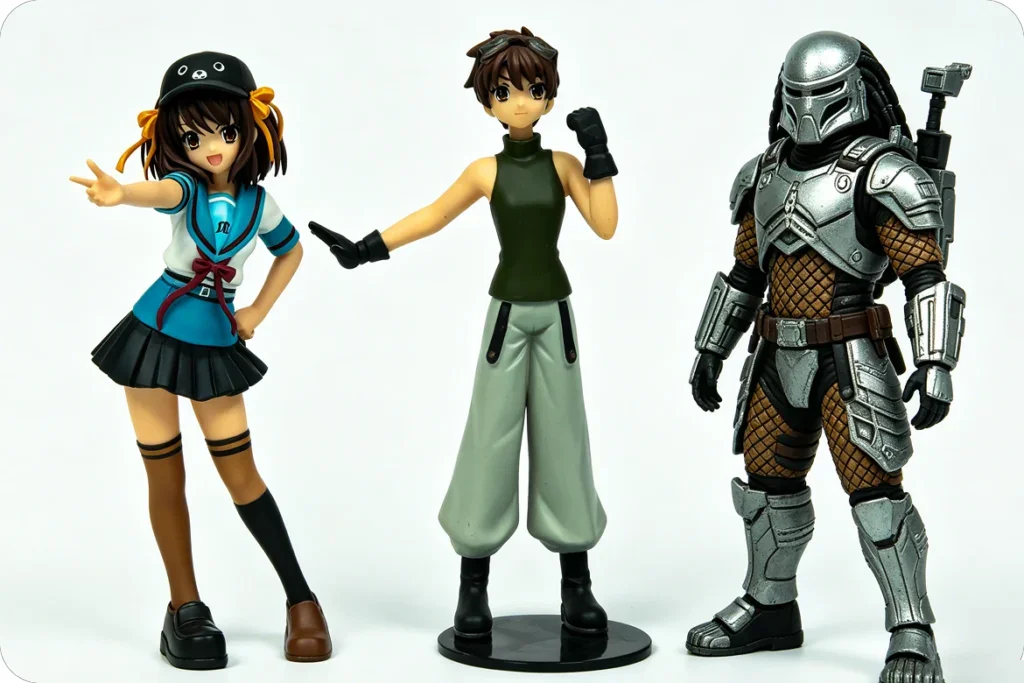
| ABS | High impact resistance, rigid, glossy finish, excellent colorability. | Interlocking building blocks, structural STEM toys, action figures. | Moderate to High |
| Polypropylene (PP) | High fatigue resistance, flexible, chemical resistant. | Living hinges, storage bins, larger structural components. | Low to Moderate |
| TPE / TPR | Rubber-like elasticity, soft touch, slip-resistant. | Grips, teething components, flexible connectors. | High |
| HDPE | Durable, weather-resistant, stiff. | Outdoor playground equipment, large hollow toys. | Moderate |
Specifying 100% virgin ABS rather than recycled regrind ensures that the colors remain vivid and the parts pass heavy metal and phthalate chemical testing.
2.2 Compliance and Factory Audits
A factory’s ability to inject plastic means nothing if the facility cannot pass international compliance audits. Leading buyers require their manufacturing partners to hold certifications such as ICTI (Ethical Toy Program) and ISO 9001. Furthermore, factories that have passed stringent Disney or Universal facility audits demonstrate a proven track record of ethical labor practices, strict material tracking, and high-level quality assurance.
When sourcing educational toys, verify that the supplier can provide testing reports for EN71 (Europe), ASTM F963 (USA), and CPSIA standards. These tests evaluate physical hazards (like choking hazards from small parts breaking off), flammability, and chemical toxicity. An experienced educational toy OEM factory integrates these compliance requirements directly into the Design for Manufacturing (DFM) phase, preventing costly redesigns just before mass production.
3. How Does Design Complexity Impact Manufacturing Costs?
Engineering intricate components without considering manufacturability results in massive budget overruns. Buyers need to understand how mold cavities, undercuts, and part assembly dictate the final unit price.
Design complexity increases manufacturing costs by requiring multi-cavity precision molds, tighter injection molding tolerances, and specialized surface finishes. Simplifying part geometry, reducing undercuts, and optimizing wall thickness during the DFM phase significantly lowers tooling expenses and accelerates mass production timelines.
3.1 Tooling and Injection Molding Optimization
The initial investment in steel molds (tooling) is often the largest upfront cost in developing custom STEAM toys. The complexity of the toy’s design directly dictates the complexity of the mold. Features such as side-actions, lifters, and sliders—necessary for molding parts with undercuts or internal threads—dramatically increase mold fabrication costs and maintenance requirements.
To optimize costs, a proficient product designer works closely with the factory’s engineering team to streamline the geometry. For example, adjusting the draft angles (the taper applied to the vertical walls of a molded part) ensures the toy ejects smoothly from the mold, reducing cycle time. Faster cycle times mean higher daily production yields, which lowers the per-unit cost. Buyers should seek partners who provide comprehensive DFM feedback before cutting steel, ensuring the design is optimized for high-volume, cost-effective manufacturing.
3.2 Balancing Educational Features with DFM
While optimizing for manufacturing is crucial, it must not compromise the product’s educational value. Consider a complex gear-based STEM toy. The gears must mesh perfectly to demonstrate mechanical advantage—a core STEM learning objective. If a manufacturer attempts to save money by using a cheaper plastic that shrinks unevenly during cooling (warpage), the gears will jam, ruining the educational experience.
A skilled educational learning toys manufacturer balances these trade-offs. Instead of reducing material quality, they might suggest combining two smaller components into a single molded piece to eliminate an assembly step, or they might hollow out thick sections of a part and add structural ribbing. This reduces material usage and sink marks while maintaining the part’s strength and functionality.
4. Why are Math Manipulatives Crucial for Preschoolers?
Early childhood education requires physical objects to grasp abstract mathematical concepts. Sourcing abstract or overly complex tools for young learners results in poor engagement and ineffective learning outcomes.
Math manipulatives are crucial because they translate abstract numbers into tangible, visual formats. STEAM toys for preschoolers, such as counting bears and balance scales, develop foundational logic, sorting skills, and fine motor control, making them essential tools for preschools and family education.
4.1 Cognitive and Fine Motor Skill Development
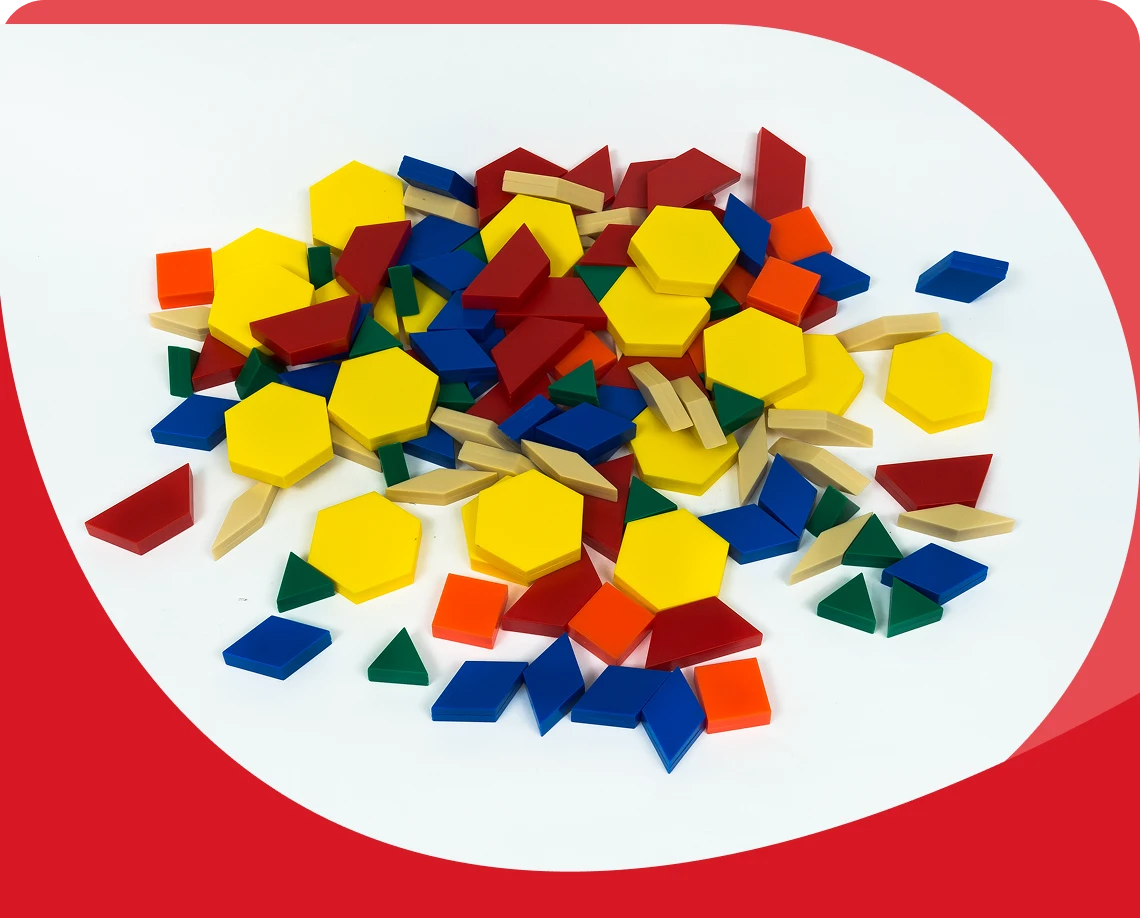
In the early stages of cognitive development, children rely on tactile experiences to understand the world. Math manipulatives, such as classification bears, pattern blocks, and balance math toys, serve as physical representations of mathematical concepts like addition, subtraction, fractions, and geometry. By physically moving these objects, preschoolers engage multiple senses, which enhances memory retention and comprehension.
Furthermore, interacting with these small plastic educational toys actively develops fine motor skills and hand-eye coordination. Picking up a small counting bear with a pincer grasp strengthens the hand muscles required for future writing skills. Products that emphasize color recognition and logical sorting provide a multifaceted learning experience, aligning perfectly with the 2026 trend of integrating cross-disciplinary skills into a single play session.
4.2 Multi-Scenario Application
From a procurement standpoint, products that fit into multiple educational environments yield the highest return on investment. High-quality math manipulatives are universally applicable across kindergartens, day care centers, early STEM training institutions, and home schooling environments. This broad market appeal generates stable, high-volume demand for B2B buyers.
Manufacturers like Chilbo, who understand the specific needs of these environments, ensure that such toys are easily washable, durable enough to withstand daily institutional use, and packaged in practical storage solutions. Providing bundled sets with varying levels of difficulty allows buyers to target different segments of the market—from parents looking for basic math introduction to schools requiring comprehensive logic training kits.
5. How Can an Educational Toy OEM Factory Ensure Quality Control?
Inconsistent manufacturing leads to defective parts, mismatched colors, and assembly failures. Establishing robust quality assurance protocols at the factory level prevents costly post-production corrections and brand damage.
An educational toy OEM factory ensures quality control by implementing rigorous standard operating procedures, including raw material inspection, precise injection pressure monitoring, and post-production stress testing. Consistent dimensional accuracy and color matching guarantee that interlocking STEM parts function flawlessly across high-volume production runs.
5.1 In-Process Inspection and Testing Methods
True quality control is not a final inspection; it is an integrated process spanning the entire production cycle. For precision STEAM toys, dimensional consistency is paramount. A reputable factory employs automated coordinate measuring machines (CMM) and optical comparators to verify that the first articles off the injection molding press match the exact CAD specifications.
Standard physical testing for kids learning toys should include:
- Drop Testing: Dropping the toy from specific heights onto concrete to ensure it does not shatter into sharp, hazardous pieces.
- Torque and Tension Testing: Applying twisting and pulling forces to small attached components (like wheels or joints) to verify they will not detach and create a choking hazard.
- Colorimeter Matching: Ensuring custom Pantone colors remain consistent across different batches of plastic, maintaining brand identity.
- Fit and Function Testing: Manually testing interlocking components to ensure the friction fit is neither too tight nor too loose.
5.2 Supply Chain Integration and Assembly
Beyond molding the plastic parts, the assembly and packaging stages present significant risks for errors. Misplaced components in a 500-piece STEM construction set lead to immediate customer complaints. To mitigate this, advanced manufacturers utilize automated weighing scales on the packaging line; if a sealed box is off by even a few grams, it is flagged for manual inspection.
By utilizing a one-stop manufacturer that handles molding, painting, assembly, and packaging under one roof, brands eliminate the risks associated with transporting semi-finished goods between different suppliers. This lean manufacturing approach reduces supply chain bottlenecks, lowers overall defect rates, and ensures that the final product arriving at the fulfillment center is retail-ready.
6. What OEM Customization Options Matter Most for Brands?
Generic off-the-shelf products fail to build long-term brand equity. Buyers must leverage manufacturer capabilities to differentiate their product lines through specialized branding, packaging, and proprietary designs.
The most critical OEM customization options include custom color pantones, proprietary mold development, structural optimization, and tailored packaging solutions with logo printing. Partnering with a one-stop educational toy supplier like Chilbo ensures these distinct brand elements are seamlessly integrated into mass production.
6.1 Brand Differentiation through Design
In the competitive landscape of Amazon and global retail, relying on white-label goods is no longer a viable long-term strategy. Brands must create unique value propositions. Custom STEAM toys allow companies to dictate the aesthetic and functional elements of their products. This includes specifying proprietary color palettes that align with brand guidelines, modifying existing open-mold structures to add new play features, or investing in entirely new tooling for a patented design.
For instance, an educational brand might take a standard math manipulative toy and request an OEM manufacturer to redesign the characters to match an existing IP, add custom silk-screened logos to each piece, and develop multi-language instruction manuals. These specific customization requests require a factory with a highly responsive engineering team and in-house secondary processing capabilities, such as pad printing and ultrasonic welding.
6.2 One-Stop OEM/ODM Manufacturing Advantages
Working with a comprehensive manufacturing partner drastically reduces the communication overhead for procurement managers. A true one-stop educational toy supplier guides the client through every phase: from initial industrial design and 3D prototyping, through mold flow analysis and tooling, all the way to final retail packaging.
This capability is particularly beneficial for creating customized packaging, which is critical for retail shelf appeal and e-commerce unboxing experiences. Whether the requirement is for eco-friendly cardboard packaging, durable plastic storage tubs for classroom use, or blister packs for retail pegs, a capable OEM partner handles the structural packaging design to protect the product during shipping while maximizing container loading efficiency.
7. Conclusion
Sourcing high-quality STEAM toys in 2026 requires moving beyond off-the-shelf commodities and prioritizing structural versatility, strict material safety, and precise manufacturing tolerances. For B2B procurement managers and product designers, the difference between a successful global product launch and a costly recall lies entirely in the capabilities of your manufacturing partner.
At Chilbo (Dongguan) Industrial Co., Ltd., our engineering and production teams bridge the gap between educational concepts and scalable manufacturing. We combine advanced injection molding expertise with a deep understanding of international compliance (ASTM F963, EN71) to ensure your products are both safe and highly durable. From optimizing draft angles and wall thickness during the DFM phase to ensuring consistent ABS color matching, precise assembly, and customized packaging, our integrated OEM/ODM solutions eliminate supply chain bottlenecks and accelerate your time-to-market.
Are you ready to scale your educational toy product line without compromising on quality? Stop navigating fragmented supply chains. Contact our engineering team today to request a comprehensive DFM analysis on your latest CAD files, discuss custom mold development quotes, or request physical material samples. Let us help you engineer and manufacture STEAM toys that dominate the 2026 market.
Frequently Asked Questions (FAQs)
Q1: What are the primary safety certifications required for importing plastic educational toys into the US and Europe?
A: For the US market, toys must comply with ASTM F963 and CPSIA standards, which cover mechanical hazards, flammability, and chemical limits (like lead and phthalates). For Europe, the EN71 directive (Parts 1, 2, and 3) is mandatory. Partnering with a factory familiar with these standards ensures smooth customs clearance.
Q2: How long does it typically take to develop a custom STEAM toy from concept to mass production?
A: The timeline varies based on complexity. Generally, 3D design and prototyping take 2-3 weeks. Mold fabrication (tooling) takes 4-6 weeks. First article inspection and testing take 1-2 weeks. After approval, mass production typically takes 3-4 weeks. The entire process averages 10 to 15 weeks.
Q3: What is the minimum order quantity (MOQ) for custom OEM educational toys?
A: MOQs depend on whether you are using existing molds with custom colors/packaging or creating an entirely new mold. For existing molds, MOQs usually range from 1,000 to 3,000 sets. For entirely new custom tooling, factories are often more flexible, but a run of 3,000 to 5,000 units is standard to amortize the setup costs efficiently.
Q4: Can a factory help optimize my toy design to reduce manufacturing costs?
A: Yes. An experienced manufacturer will perform a Design for Manufacturing (DFM) analysis. They will suggest modifications such as adjusting wall thicknesses, eliminating undercuts to simplify the mold structure, and selecting the most cost-effective plastic resin, all without compromising the toy’s educational function.
Q5: Why is ABS preferred over other plastics for STEM construction toys?
A: ABS (Acrylonitrile Butadiene Styrene) offers an excellent balance of tensile strength, impact resistance, and dimensional stability. This means interlocking parts will click together securely and withstand repeated use without degrading, breaking, or losing their friction fit—crucial for construction toys.
Q6: What packaging options are best for STEAM toys targeted at schools versus retail?
A: Toys intended for institutional use (schools, daycares) are best packaged in durable, reusable plastic storage bins or heavy-duty canvas bags. Retail products for individual consumers benefit from high-quality, visually appealing corrugated cardboard boxes with internal blister trays or eco-friendly paper inserts to protect the components.